Monthly Archives: March 2021

“a few bits”

You can have almost anything in the supermarket but the growing, farming and marketing involves forcing, picking early, travelling and storing in cooled air, loading, unloading and this often makes for  looks over taste.  Last week, half way back down the street going home,  I passed a well established flower pitch,  with four or five boxes, small amounts of various  things, one containing  some smaller orange fruit.  So I asked what were they –

mandarins, tangerines, satuma, clementines – anything, said I , as long as they are not easy peelers (great name for a stripper) which taste of nothing.   He said he thought they were clementines  – “Here, take these and try ‘em”… he offered me four for £2 and then added extra – I wound up with 7.  I offered him a fiver and we were both embarrassed, neither of us had change.  “So you’ll bring it tomorrow” he said.  “It’s £2.”  In the Royal Borough of Kensington and Chelsea, lockdown, 2021.

When I went back, the stall was presided over by Artur who is a tall thin Russian (I bought six reduced price geraniums from him a couple of years ago, after an unforgettably bad haircut, and identified his accent). I bought a ripe avocado (“You choose,madam”), the most gorgeous pale yellow almost beige into grey parrot tulips plus the two pounds I owed.  Artur asked my name, to tell the gaffer with my thanks, which turns out to be what her schoolfriends call his daughter who is really Anastasia.

Fay who runs the dry cleaners opposite with the work ethic that built the Burma Railway says they make her feel better, a combination of what’s possible and politeness along with the quality of everything.  Heartlifting.

I am sure I was smiling which is what caused a woman some years my senior to observe grinning herself “You look pleased !”  So I told her about the fruit and owing the money and going back, showed her the flowers. and she talked about the reduced Waitrose and how they’d moved the tables round in M&S, “just as long as they leave the shop there” she said.  “It’s all change, I’m not keen.”

Change comes, whether you like it or not.  Sometimes for the better, sometimes for the worse.  Wol who know more about money than I shall ever learn took up with Lidl out of curiosity. “Make up your mind to it, there are loads of things you’re never going to touch” he said “but what they do well, they do very well – fillet steak at half the price, lovely flowers, never had a bad piece of fruit or veg.  and I don’t know how they do it, but I have never met a member of staff who was less than delightful.”            

When not economising , Wol has discovered the delights of the local farmer’s market

which has stayed open (the two I use didn’t)  throughout out this weary year. He pays over the odds for everything and has the time of his life with two Australian sisters whom he taught to roast beef,  a Slavonic fish man, Sam the sweet but absentminded, and Paul and his son who flirt with him outrageously, to the consternation of the poor people who only went out for what my one and only family retainer Dot used to call “ a few bits”.   

When I parted from Mrs. M&S, having teased her about doing commercials for them, I passed one of the larger stores, now vacated,   There were so many horribly similar places and we wonder what will become of them.  You want to draw to the attention of the housing secretary Robert Jenrick, to the amount of every kind of property standing unused before he starts building on green belt. 
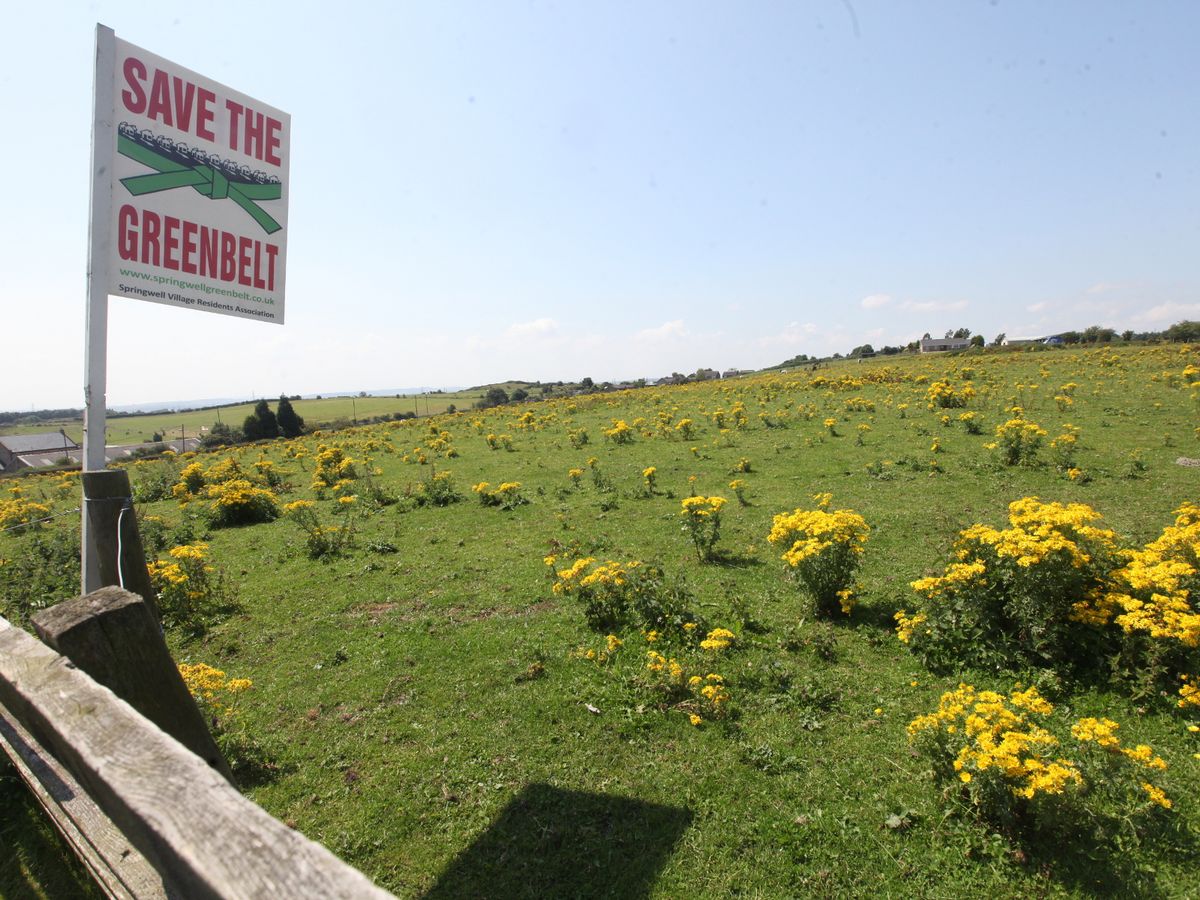
This is not America, space is limited and chopping down ancient trees or eroding every green corner of our busy cities is wilfully shortsighted. But he won’t get this building.  It is already allocated, advertising, lots of small counters, all under one roof … good luck to them.  We used to call it shopping.

discovered

Last week was a first.

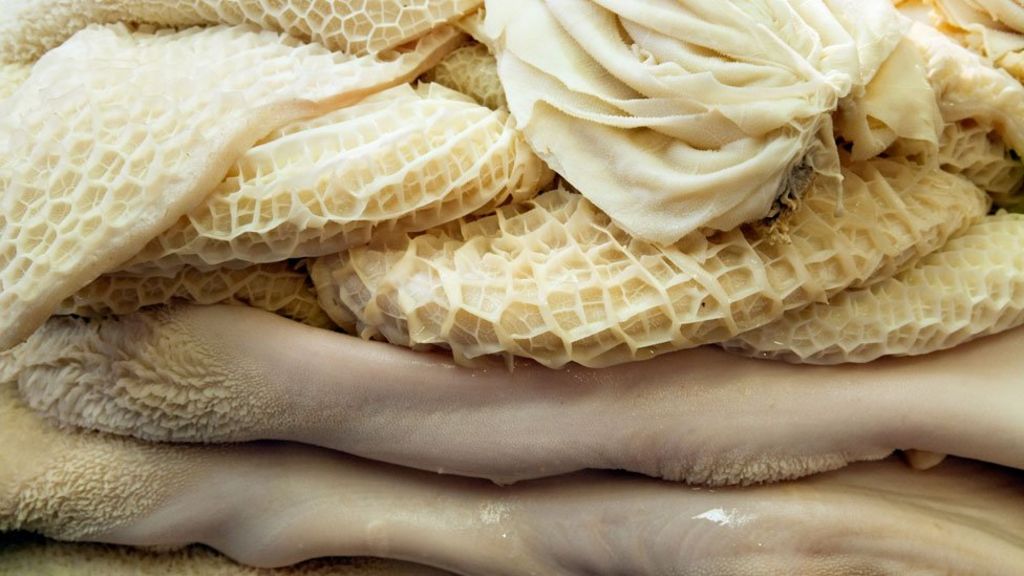
  I couldn’t write.  Well.  I could, I did – but it was tripe.   And there will be those among you who like tripe but I don’t. I sat and moved things round and tried again and my back (pulled muscle) hurt and hurt till I chose the pictures and put it all away.  Of course, it took longer to find the images than it usually does.  And that hurt more.  Eventually I aligned it to forward to Dee my “hands” who puts it up, usually on a Tuesday, and gave in.

I went back to it on Monday and wasn’t sure.  When I went back to it again I was even less sure.  You must remember that, with a blog, you have your own standards to meet – or you abandon them and just blog.  

I am my sternest critic.  And of course my taste is not yours but over six years, we seem to have established a connection – we must have done, such a generous response, thank you, when I wasn’t well.

So at 4.45 on Tuesday morning, I emailed and cancelled the whole thing, wrote a note, chose a picture of a Canadian lynx and gave up.   I couldn’t get to a physio until later in the week but I discovered that standing up was fine and lying down was fine.  I just couldn’t sit without discomfort verging on pain. 

On the Saturday – so often now the worst night of the week on television – I lay in a room with two candles lit and read a book.   I was flat, all was quiet and the book was worth the effort.  Thin Places described those places of time and nature

where the disturbed soul approaches peace – the other parallel world – and the writer Kerri ni Dochartaigh grew up in Londonderry, a savagely divided city, with a Protestant father and a Roman Catholic mother so she fitted in nowhere.   

She evokes the various violences, the tension, the confusion – and she delineates the damages done and how she sought to mend herself – through this concept in Celtic Christianity called thin places.   She also mentions in an utterly unhysterical way the effect of Brexit in undermining the hardwon peace, and the schism through occupation and brutality of Ireland from its own self – its natural world, its history.

We never know what it takes to make a book. 

  I think probably very few are the shape they come out in or indeed book shaped at all.  I remember years ago being introduced to the woman behind a famous bestseller and being told that she had made that book – though only the trade gave her credit for it, another name was on the cover.

And on Saturday again by chance I switched into a documentary on a group of children in Syria, whom the film maker had recorded after their school was bombed – and he followed up several of them eight years later.  There was a point in how many years, for the Syrian War goes on and on like the Troubles did in Ireland .  

The children are young adults now, not all of them made it. And they are appallingly burned.   In Dochertaigh’s book the damage is harder to see but just as profound and though she documents it, she isn’t self pitying.   There must be a cost, she infers, and she had to pay some of that.

It is an odd book, it isn’t easy and I doubt if it will be a best seller but quite early on she writes “I hope you never have to try and sustain a child through such terror but if you do  set them to watching, buy a magnifying glass” and paints a picture of herself in the mud of the tiny council house garden where her journey began.  And I thought of how I have striven for every good, kind, beautiful moment and thing through this miserable year – one year, and I am so aware of the damage done.  One of the worst things about humans is how slow they are to learn and how often they don’t learn out of good will or a willingness to share but out of tragedy and loss and upheaval. 

But not to learn – that’s even worse.

note of absence

Annalog is under the Arctic Dome, isn’t well and won’t appear this week.

Look forward to seeing you next week.

minotaur

Last night, in a trip down memory lane – I cleaned two pairs of shoes

before I went to bed – actually just after supper, so the emollients could sink in.   I felt about 12.   So much cheaper than Botox  !  In the girls’ comic I used to read, it was announced that smiling took something like 21 muscles to frowning’s 150.     And then, train of thought, I remembered the Reader’s Digest. 

Years later I learned about its political and social standing.  At the time I couldn’t have cared less.  It introduced me to words and stories and jokes, and I once found myself interviewing a woman whose memoir about diabetes I had encountered there.  When I was a girl (Oh I have been dying to write that !) information was entertainment.

We had a class at school on General Knowledge, we had GK workbooks.  Of course we chattered and swapped beads – we all had bead tins – or buttons, mostly beads. 

Just because they were pretty.  Remember, this is the 1950s.  We had just come through the biggest war in the world and there wasn’t much of anything.  I read yesterday in the obituary of a Czech Jewish historian, working out of the Hebrew University in Jerusalem, that he had written “… beauty is inescapable”.  I rang Wal to tell him.  He agonises about the death of beauty.

Buns (friend with sweet tooth) sent me a link to the promotion we did for Talk Radio years ago when we were all young and fair, and it was a radio station.  I think sometimes energy is its own beauty.   He had just had the first part of the vaccine and said that his eyes filled because, he realised, he had been afraid for a year.

And then (“real readers are re-readers” Nabokov) I read some more of The Manchurian Candidate  – and noticed I had marked two words I still haven’t looked up.   Every so often, if you are a reader, you read something you wish you’d written because of the sheer accomplishment of it – and that’s another kind of beauty.   What arts writers describe as the arc pulls everything into the right place for this particular reader and makes you want to stand on a chair and shout hooray.

And affection and respect makes you want to shout hooray even louder.  I made a decision last week and as it might affect other people, I wrote to them and they wrote back, carats of care and understanding,

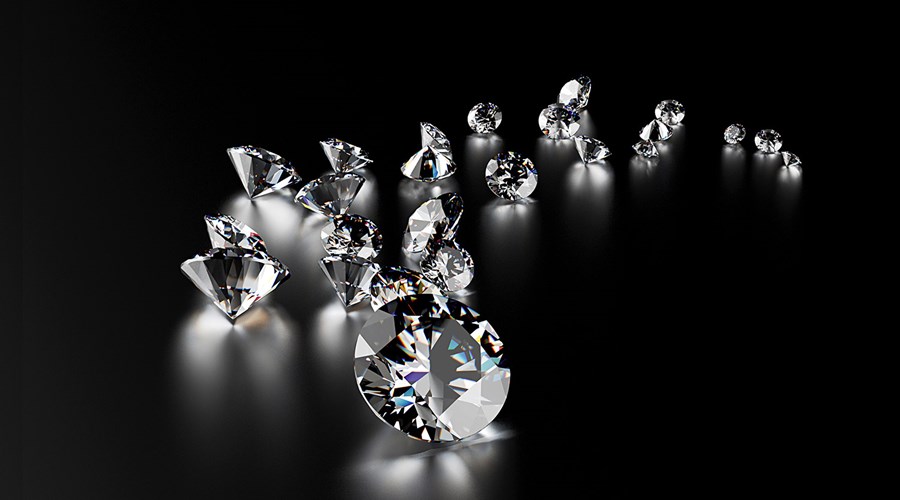
beyond the wildest dreams of diamonds.  ”You will keep those emails won’t you ?” asked a friend with whom I had shared some of them.  You betcha.   Untaxable and indestructible.

I pushed a film called Gifted until my son said “What is it about this film ?”    And I said “It’s about  love, and being a father and you don’t have to be a parent to act like a parent.”  Just listen to Ian Wright talking about Mr. Pigden, the teacher who rescued him from illiteracy and punishing loneliness.  

When my son was put into my arms, I thought how wonderful to have a child sized child – I had known so many taller ones, so many in pain.  Family is indeed a wonderful thing when it’s wonderful and when it’s not, it is an instrument for destruction.   Takes a lot of fighting to survive.   And how you fight and where you fight is a deeply personal matter.

And you can earn and be admired and praised and do a great deal of good, incidentally and with intention – and still be in what we might call deep spiritual doodoo.   The media will not resolve this, they will only feast on it – under lights, with hair and makeup.  Is there some atavistic belief that the bigger the lamp, the brighter the corner, and that when all is revealed, it will be well ?   It risks taking a lot of people down. 

I have never been convinced of the elision between the talking therapies and the personal interview, a confusion deeply seductive and deeply dangerous.   And I have interviewed and been interviewed. The camera is not neutral.  Better stick to candles, understanding is better than the plea to be understood.

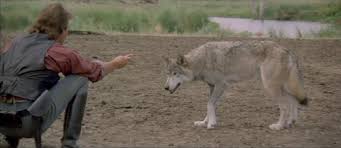
“Dances with Wolves and Two Socks.”

the balance

Yesterday a leaflet was posted through the door asking me to join an organisation to ban

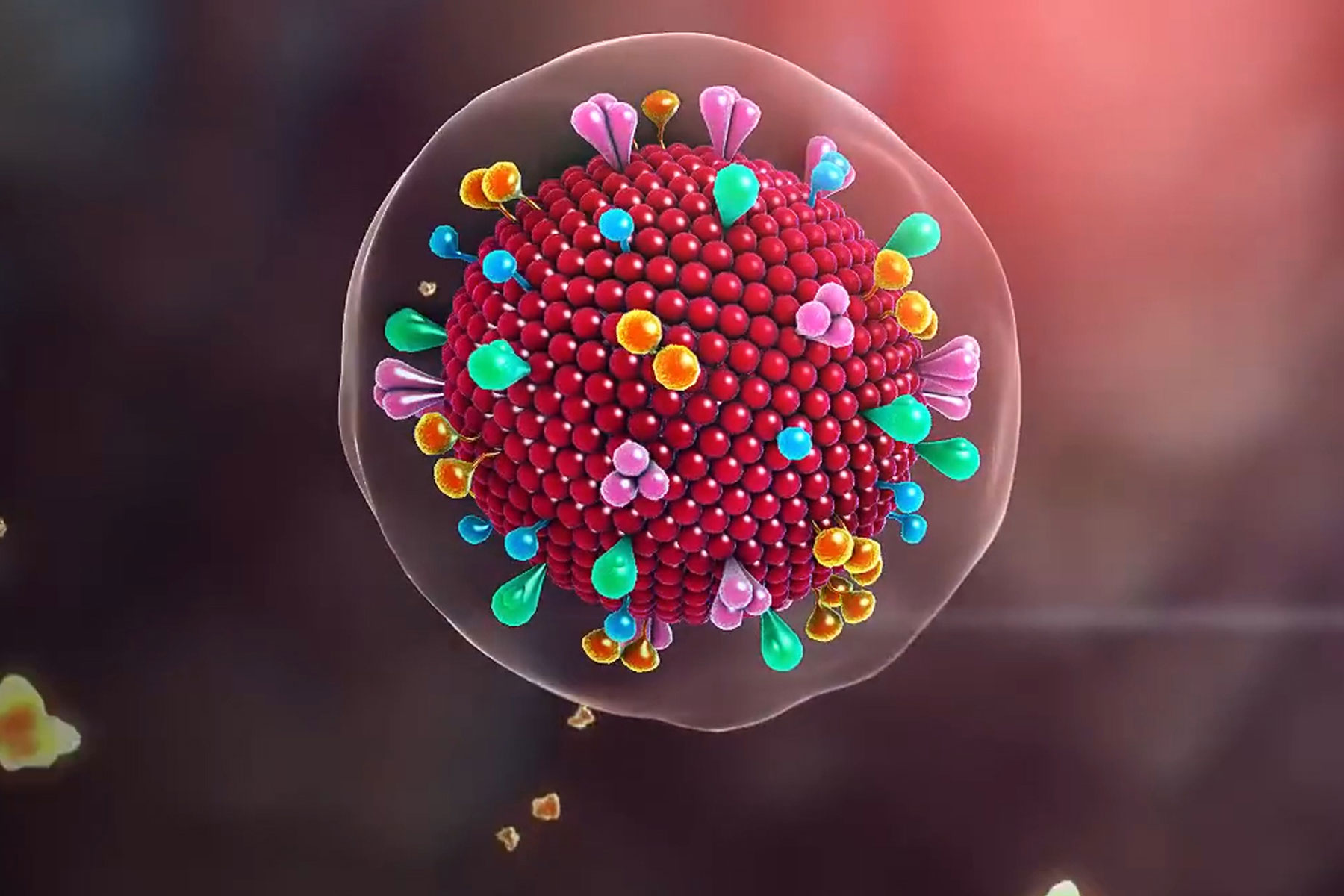
the Chinese Communist Party.    This morning there is a picture of Stanley Johnson and his youngest son, awfully cosy with Chinese functionaries – big fans, it says, of China under the jurisdiction of its Communist Party.   Gwyneth Paltrow says she is suffering from the effects of Long Covid, citing “longtail fatigue and brain fog” and then goes on to detail such a restricted diet one is left to wonder if she is simply hungry ?  Wellness is an old word placed anew, I am so wary of it.  And Wol, pragmatic and well remunerated professional, suddenly asked me – oh conspiracy theory – if I thought the pandemic was real ?    And the trouble is the balance.

There are two reasons why you know things: one is because you find them out by chance and the second is because you set out to discover them. 

And in both cases you have to understand what you have discovered.

Yesterday a friend lent me a book (Kiss Myself Goodbye by Ferdinand Mount) about a strange relative who lived in one of the great modern houses in the south of England.  Came WWII and it was taken out of private circulation and used for engineering research: after that, something else and then, industrial diamonds for Gulf War missiles.  In the meantime the house had vanished.

  It wasn’t even indicated on Ordnance Survey.   Its presence and function were not admitted until much later.  Discovered by chance.

The news has been patterned for a year – which is a long time – by what this politician or that says,

what this or that government functionary says (agreeing or disagreeing) and the alternative position voiced by housewives, medical staff, mothers, teachers, bin men, assenting and dissenting scientists, other party politicians and so on.  News stew. 

The unsettling message of this is just what my friend has responded to.  He doesn’t watch the news.  He finds it unattractive, monotonous, utterly confusing and depressing.  He’s not alone.  And, when all the shouting’s done, he doesn’t know what to believe.  It was his partner of 25 years who made sure he had the first vaccination.

“What is all this ?” he asked me last night about Covid

and because our conversation was one to one, and I was trying to be clear about it, he listened.  I think.

I have heard some sense about Covid.  Sense to me means sentences I can understand, delivered in a tone I can access, by a speaker who is not trying to sell me a position – or at least, not one that gets in my way.       Everything I have found out has been by listening or reading (same rules apply) and I was never any good at science or maths at school.   As soon as you start quoting figures at me, I glaze over.  Amalgamate one lot of figures with another,  I know it is unreliable and I switch off.    

But show me a patient who thought it was going to be “just like the flu” and has learned to their cost that it isn’t, the exhausted nurses and doctors doing everything they can to help, often without success, show me the paraphernalia of wearing and changing protective clothing –

the human cost I understand. 

And because of the segregation of one person from another, one group from another, there are endless home made contributions which apparently sit well with the majority, endless quite separate talking heads –  which visually undermines the notion that “we’re all in this together” . . if we ever accepted it.

So it is hard to tell what this means because if you’re anything like me, you don’t understand.  You haven’t found out by chance and you didn’t set out to discover.   So, may I hope that you like me are  not going out when you don’t have to, not having anybody in the house, washing your hands like a religion or using sanitiser, wearing a mask in every closed space eg bus, train, shop ?  It’s called being sensible, holding the balance.  And it is what we can do.