
Apparently it was General Douglas MacArthur

(look him up) who said that rules were made to be broken and went on more interestingly to add, and for people to hide behind. So I guess it depends on whether we are talking about rules as in customs or rules as in laws. I watched a seriously disabled man who crawls – it’s not a walk – to do his shopping being approached very quietly by a woman who pointed out that his hand pushing the shopping cart had caught his tracksuit waistband, exposing his bottom. “I know” he said quietly. And once wedged in a corner of the bus stand, did his best to put it to rights.
There are rules which if broken lead to friction among family and friends (card games, board games, who has the remote

when the football is on) and rules less applied now than when I was a child – how to behave at meals, eating in the street, bedtime, bathtime. All at the mercy of the goddamned and bloody Smartphone which throws all that up in the air because its 24/7,365 or 6 days of the year offers a parallel reality.
There wasn’t a lot of “don’t do that” in my home, most of it was to do with being graceful, while outside, my mother’s rules are best summed up as “do as you would be done by”. I thought of her when I saw a vision in white floaty with fashionable white trainers, hair admirably atumble, eating with her mouth so far open I could tell what she had for breakfast. Yesterday.

We could all eat the odd thing in the street but as a rule, ma didn’t like it. She didn’t like it for other people. And that’s the great change in focus.
In the past we lived as members of society which meant at our best, by custom, we lived with each other. We were all in it together. Now we are separating like cake mix gone wrong
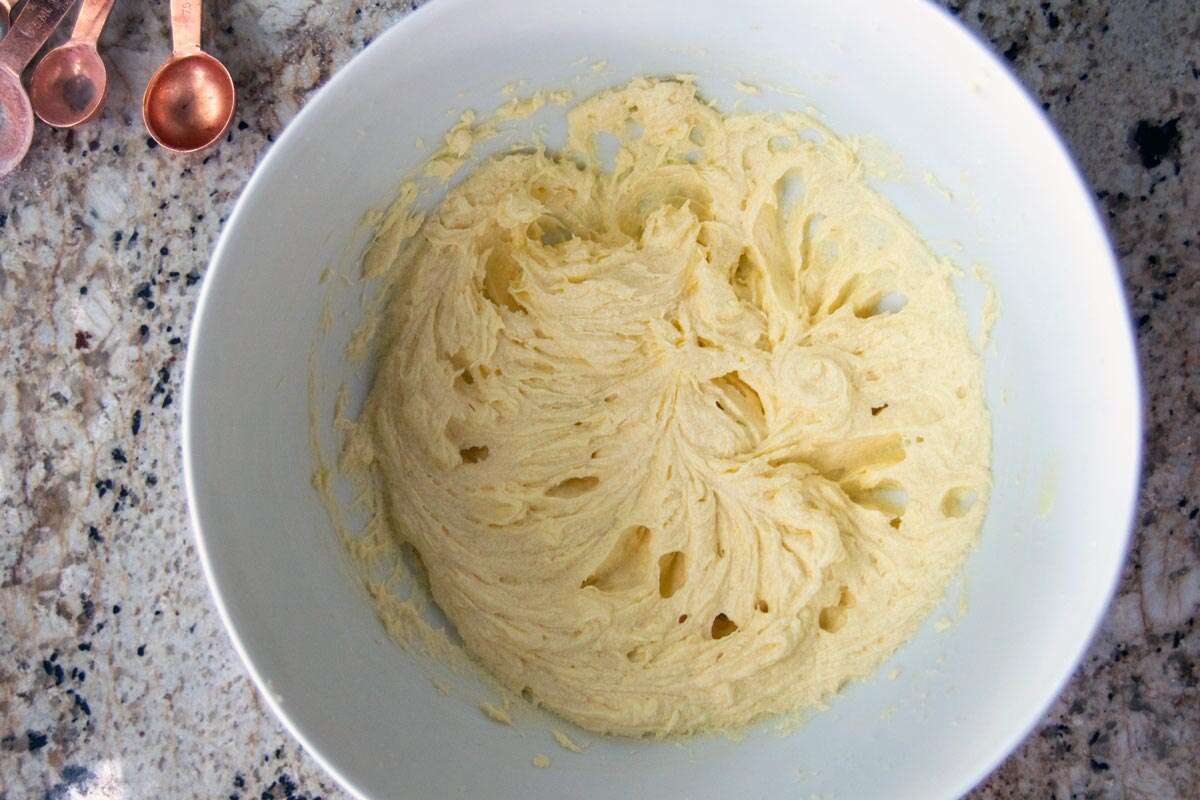
or off milk. And when you bridge the gap – thank somebody, hold the door open or offer a seat, put yourself forward to help – it is less what all of us do and thus the more remarkable.
Most of these rules (expectations, customs) work for us all. It isn’t a is to b, as b is to a, it’s a kind of investment, ie I greet you in the hope that some other person will greet me. I have American neighbours opposite – mum, dad and one of each – and they remind me that when I went to NYC 60 years ago, you called everybody ma’am and sir, regardless of whether it was who sold you coffee or your boss. Common politeness, now uncommon. Rules as expectations. And Tricia taught me something only yesterday
without knowing it, that her capacity to communicate, her energy is such that I expect it to be topped off by the odd expletive (I confess, one of my less attractive habits) but she doesn’t need it, because she can express herself without. I was inspired.
Infringement of the rules backed up by law is called law breaking and then it’s a question of how grave, who’s involved, to whom does it matter, if you get caught, and what’s the answer. We live in a country of overcrowded prisons, the system of which has never decided whether it is there to rehabilitate or to punish, and a bit of both isn’t the answer and nearly unworkable for those doing the confining. And it depends on what you feel about those rules.
We have recently been treated to the spectacle of a man who, no matter his other gifts, ignored them, nothing to do with him. (Quote of the week is Martin Samuels in The Times “ Johnson is to aplomb what Rees-Mogg is to racing whippets.” ) And I looked up aplomb – its root is French “a plomb” (dictionary) and is to do with rightness by law of gravity, earth not earnest.
The above riff began because I caught myself scrubbing the kettle at 6..20 am and thought – well, no law against it” and it made me laugh. No law against that either.
- Thank you to everybody who wrote and rang, after annalog/at a stroke. I am very lucky to have you. Stars , all.
 Annalog