
What I don’t know
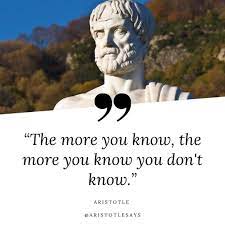
would fill a book. Illnesses I have never heard of, bones I don’t know the names of, writers and films, tribes and traditions – and that’s before you get to food or languages. Or art. Or teaching. Or keeping the boilers stoked. Each to his own, we say. And if there is an illness from which certain kinds of journalists suffer, it is that they feel they must offer (presumably as part of the job) an opinion, the subtext of which too often implies “I know – but you don’t …”
I see I don’t know as a statement of strength – or courage.

I remember Jake Sullivan US National Security Adviser under Biden saying it in a live press conference. Twice I think to make his position clear – he didn’t know: if he didn’t – probably nobody else did: and surmise, he said, could be dangerously irresponsible. Oh, the dear dead days beyond recall !
The getting of insight and reliable information is a journey. There is a first person piece about the actor Jeremy Renner’s accident with a snow plough in which his daughter is mentioned but not her mother – not even in passing, Did he do that too ? And I long to know more about the wife of an author I admire – Richard Flanagan – because he rewrote his last book several times and, knowing a bit about creative types, I should think that was tough to be around. Of course it may simply be that Renner has an agreement with his daughter’s mother not to discuss her at all and Richard Flanagan’s wife is perfectly happy in the background and doesn’t want to be interviewed. And interview is as variable as any other journalistic form.

I don’t know.
I listened to a new friend (ie within the last year or two) talk about her increasing dissatisfaction with a woman she had known for a long time, a saga of insensitivity, unawareness and plain bad manners, and at a pause I asked “Why did you put up with this ?” No answer. Perhaps it was too direct a question, to answer it would be too revealing of self.
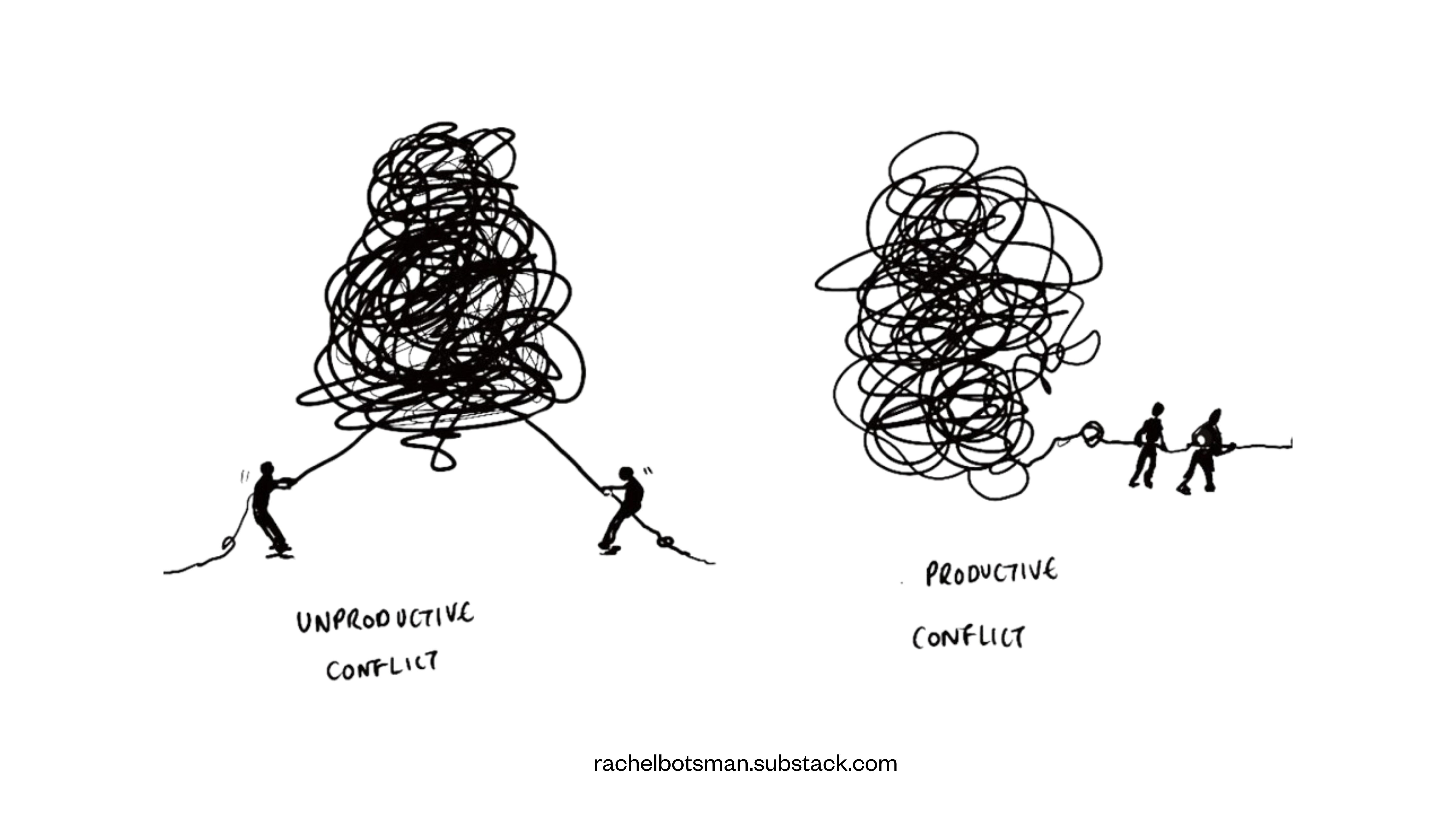
What she said is “I don’t know.” But if you won’t face up to not knowing, you won’t learn.
Heaven knows it is easier to put up with the unbearable than to make an end, ends are almost always difficult. We shrink from it in all kinds of social relationships, from partnerships to pals. Some relationships, it is true, function on fratch, disagreement, even rows. You’ll recall the comment on a famous couple (I can’t remember who) that they loved fighting, because they liked the making up so much. No thank you.
And like all acts of will, you can decide not to know, turning a blind eye
to everything from infidelity to embezzlement. If you decide it’s not happening, it is not happening and too often if somebody, for good reason, tries to tell you, it is easier to turn on the would be benefactor than to look at the steaming pile of difficulty and ugliness in front of you.
I don’t know P utin. I don’t approve of his mindset as it has ever been reported to me and I don’t believe in the invasion of a sovereign state. However much background you accrue, you can’t know the outcome.
I don’t know Trump. I know about him, and I’d like to believe that his behaviour is devoted to a series of recognizable ends. But I don’t know.
I don’t know the ins and outs of diplomacy and how it is decided what people say or do. I feel for Starmer because whatever he says, he has to try and keep the electorate safe with something to eat and no bombs. Is this the way to do it ? I don’t know.
What’s worse is that it is harder and harder to find reliable information – which means information you can accept – and thus harder and harder to see where we are going. There will always be interests dedicated to keeping the public in ignorance so that they are manageable.
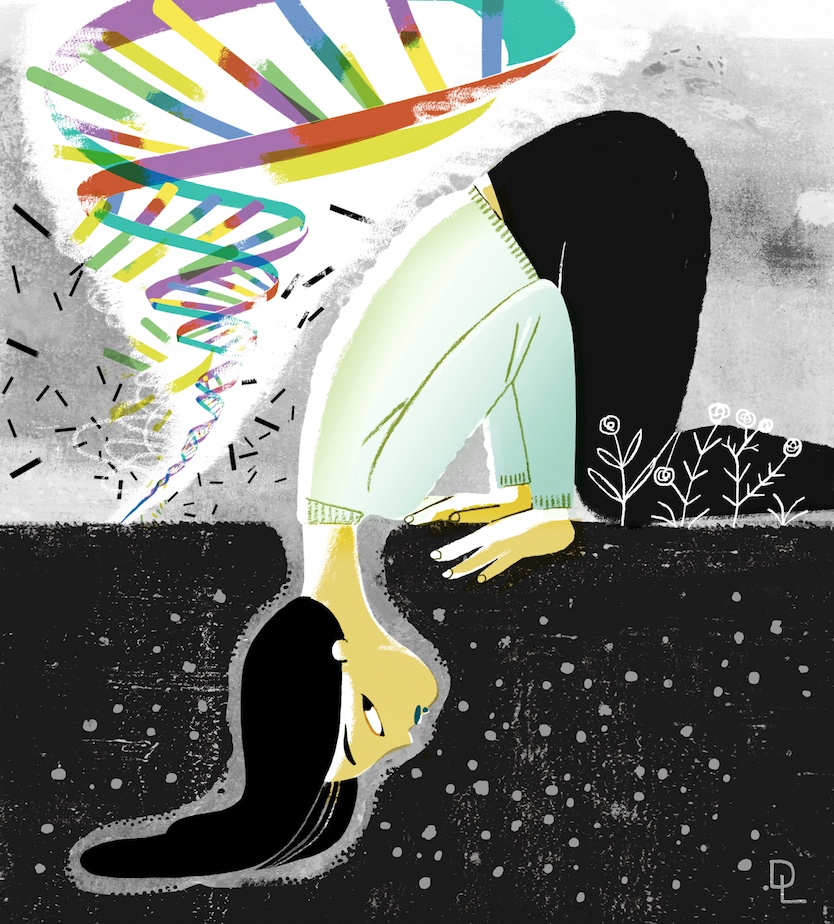
I don’t know.
 Annalog