Category Archives: Uncategorized

sweet nothings

I dread being a middle class late middle aged (tick, Wal !) soppy.

The crooning “Aaaaahhhh !” is not for me, nor pink frills or fairytale anything. Other than real fairytales and they are dark.  I have a cherished memory of the leonine Glenda Jackson telling me how much she liked babies (“People just think you don’t, with this face”) and I remember a boy a couple of years older than my probably five year old son asking me “Why do you call him honey ?”   It took too long to explain that I call anything for which I have that mixture of appreciation and affection by some endearment or the other.   I called the bumblebee on the ilex blossom darling. 

“wrong flower but a lovely picture!”

I heard myself, well meaning loon.

There is the man or woman who calls everybody darling – it saves learning names.  Darling simultaneously brings you close and pushes you away  – how useful.  A controlling device, and contextually variable, the difference between  “I say !  Darling …” and “ Now you listen to me, darling …” being several miles over choppy water.

A woman much older than me recently called me ducks- I hadn’t heard that since my mother died in 1988

and I was thrilled.  I was touched to hear Tina Turner describing how her oldest son always began his telephone conversations with “Hello, dear …”   And she wished she had paid more attention when that stopped, which she now felt was an indication of trouble.

There are people who don’t use endearments.   My son’s voice colours what he says. 

  He may use endearments to his other nearest and dearest, but not me and, instead of finding it cold, I find it particular, coloured as I say by the voice itself.  Or there are those who make the endearment out of a word. My big love called me Kid.  Oh I loved Kid.  Kid was private, kid was special, kid gave me a place to be and when I heard him use it to somebody else, my heart sank, chilled.   Was I no longer special ?   Was it no longer special ?  Probably both.  Ouch.

There are people who use endearments as placement as in “Now you listen to me, my dear …”  Older person to younger person, usually but not always man to woman – might be reassuring, might be patronising – might be both.    Endearment can be frankly diminishing “Now, you listen to me, sunshine …”  

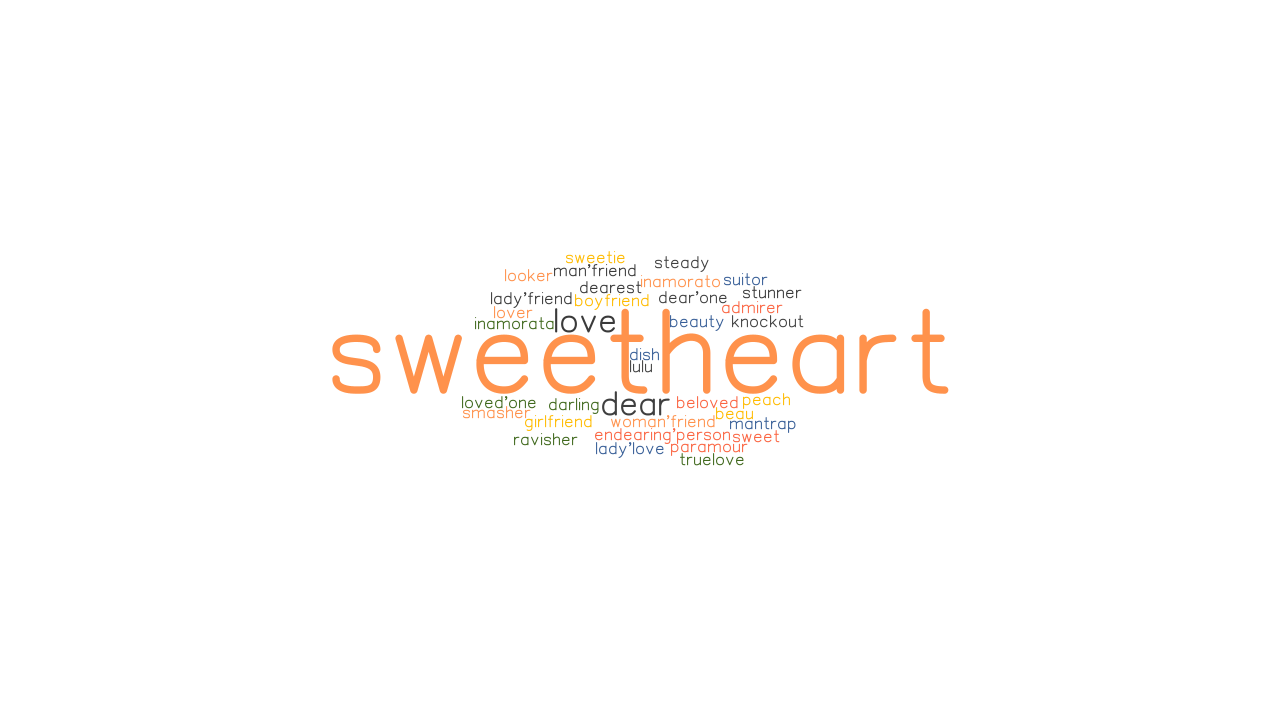
There are endearments admired: I once wrote of the very old frail couple who lived up the street when I was a child and Mr. Moss occasionally called me “’unny” .  I loved it, it sounded sweet and appreciative and special.   I doubt very much that my patents ever used “sweetheart” to anybody but me and my sister. 

 And the diminutive (sweetie) is reserved for the very young or vulnerable.

Over time, you learn how you use words.  It will not be like anybody else.  I could analyse for you my broadcast voice and how I used slang and the occasional endearment to take the edge of the bad news I often brought.   You want the voice to be clear but you want it to stay warm.  Buns and I (old radio hands) endlessly bemoan the death of warmth in broadcasting.   It’s not fuzzy warm, it’s “I’m with you” warm we want.

 But that depends on being able to rely on a flexibility of language which is sadly in decline.

It is of course highly personal but there are endearments from which you recoil.  Precious from my mother, yes – nobody else.   Babe and baby haven’t come my way very often outside New York and of course language moves, endearments change and what you are left with is either fashion or vocal intention.  

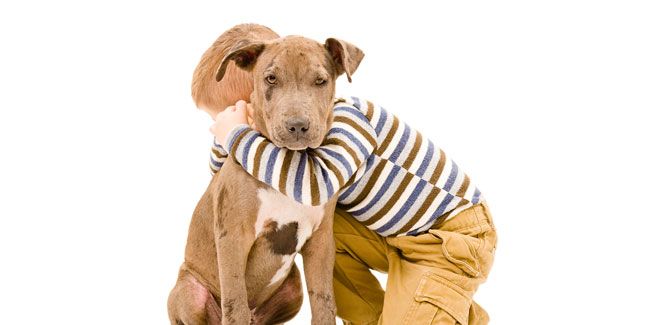
I asked a young man in his 30s if I could speak to his very large ageing pit bull.   He said he would like that and looked at me curiously while I began offering my hands to sniff, stroking his muscular neck and caressing ears to bliss.  The dog leaned on me.   I murmured every loving word.  “Never seen him do that” said his owner.  “You really made his day – mine too.”   


the p word

Manhunt, Fritz Lang’s film of 1941,

is older than me.  The story was pretty hokey, but I was curious about it as one of Lang’s anti-Nazi films (he was a German who got away) and the camera work was wonderful.   I looked up the cinematographer who had done all sorts of other things I like and realised that until I was entering what Wal calls “late middle age” (he is nearly 20 years younger than me and precious about these things), I didn’t notice or I didn’t trouble to find out who wrote this or who shot that, still less who produced it, which is one side of the fulcrum of power, the other being the director.

In my moment of recognition, I do remember being asked if I didn’t want to play the lead in Agony (the TV series Len Richmond and I wrote when tv meant television) and saying no , I wanted to write her.  I had got that far about knowing where power resides.  


You write the words, other people have to work with them, the flexibility of those arrangements controlled by other relationships, agreements and accommodations.  

I don’t very often read a book and then want to buy six copies so I can hand it out but I did with Working by Robert Caro (Vintage, the magic penny under a tenner.) 


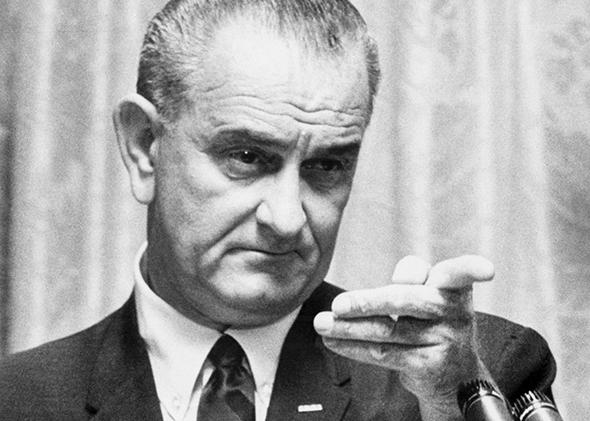
  I knew who Caro was, being famously engaged on a four volume biography of President Lyndon Baines Johnson.   One of the street rhymes of my youth was “Hey, hey LBJ/How many kids did you kill today ?” as the President followed the line laid down by his predecessors in escalating the US presence in South East Asia because the mood of the time could not envisage America beaten in war.

Caro set out to find out what made this man tick.   LBJ, he says, put into law many of the most important social changes that preceding presidents had endorsed but done nothing about.  LBJ was plain and poor, his breath was bad and he was hagridden by his father’s disapproval, and one of the two best operators in history the Senate has ever known. 


Under LBJ, the Senate worked.

Robert Caro is 85.  Laden with literary honours and appreciation, he has been asked to do an autobiography but still working on LBJ Vol.4, he realises time and tide wait for no man.  His method of work is deeply based in the journalistic traditions which still capture my imagination and Working is a shrewdly placed little compilation – you learn a bit about how he does it.   He’s a Jew and my favourite Jewish proverb says “in the centre of every onion is a tear” which describes his method well.  

Obviously able, he began in journalism and then decided to write books.   He thought power came at the ballot box and then realised that the most powerful man in New York City was the architect and planner Robert Moses who wasn’t elected to anything – who held on for 40 years, redesigning the city into one of the most outspokenly modern and functional in the world – at the expense of human hardship which Caro unwavering covered too. 

We have heard a lot about power in the last few days, who gets it and how, how it is used or abused.

The apologists will say that the pandemic was unexpected and thus nobody knew what to do.   The accusers will say “No excuse for not giving clear directions.”   The power remains in the hands holding it before the shouting began.    


A recent local news broadcast  mentioned a campaign in a big London borough  among so many afflicted by the acne of ill conceived planning.   We wonder if we’ll have one too ?  What we know is that power does not reside in our hands.   They are they, and we are us, our hopes and dreams, investments and modest wishes disposable.  It was the historian Lord Acton who wrote “ Power corrupts and absolute power corrupts absolutely.”  


learnt by chance

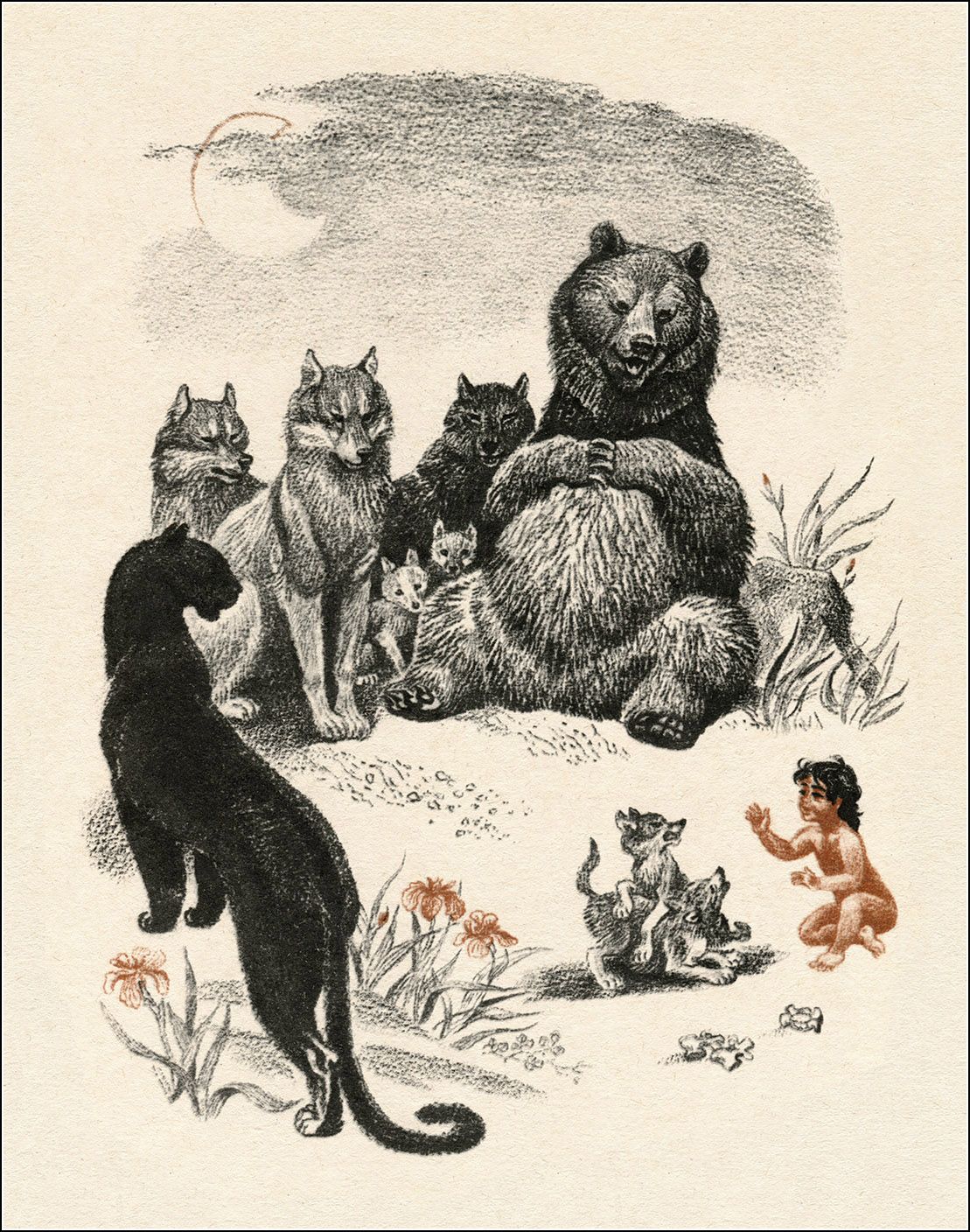
Two out of three brown bears

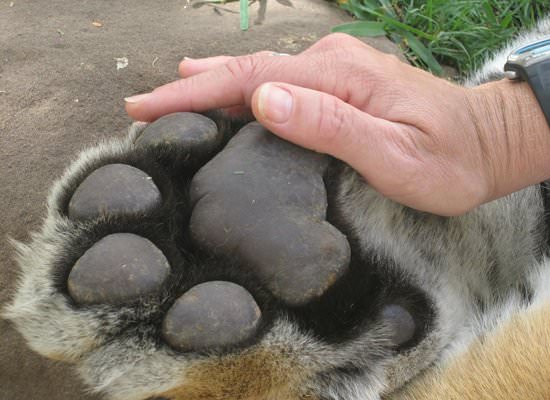
in a famous zoo got out when their enclosure was rendered  less than safe by freak weather. And they had to be shot.  Danger to people.  There are far too many people and I like bears.   Then there is a story of a lioness turning on her trainer in a Russian circus.  She probably thought it was Putin.  I hope she cleaned her claws.  I was inspired to make this comment by Ray Mears the wildlife expert

Ray Mears Northern Wilderness

whom I saw out of context for the first time, overweight but worth every pound of it in charm, serious (he had a pop at Putin in a context too often limited to self conscious flippancy) and moreover, refused to be budged when the audience wasn’t sure about one of his choices.

Sitting next to him was Fiona Bruce

grinning her nice grin, as much at ease as you get to be when you have been round the block in tv terms and wearing elegantly comfortable shoes for the first time I have ever seen (her footwear often looks like a loan from the Queen Mother).    FB is a terrific interviewer and when I read about her as herself, she sounds like somebody  you’d like to meet though she’s on the list of people I can’t bear reading the news.  The third guest was the metrochick Katherine Ryan – she was so good I looked her up and discovered she is a Canadian comedian.

The  maple leaf forever !   Anybody who can come up with the idea of Cheryl Coles as a Conservative Party bot , allegedly because she’s too perfect (even with fake hair) and can skewer enough of those Geordie nothings to have us all giggling, even though it’s one of the hardest accents to imitate and KR knew she hadn’t got it right …

This was all on the kind of longrunning show I usually avoid, the host wreathed in self congratulation like an inadequate hotel towel – though I admit it is difficult to develop a television personality that won’t get up somebody’s nose and this guy gets the Silver Chimney Brush.  But we need a laugh and  you get it where it works for you, to help you skate round the edges of the rant that is always threatening…  (Pam the Painter is wont to ring, beginning “May I vent ????” )

I hate men in shorts

and women in leggings.  There are probably five exception to each globally, where the garments work or where what is inside them is so perfect, it wouldn’t matter what they were wearing.   All this is having its moment now because we have had such a grave year and both these things are cheap to manufacture and cheap to wear.    We are not “all in this together” politically but large numbers of us are “all in this together” sartorially.  

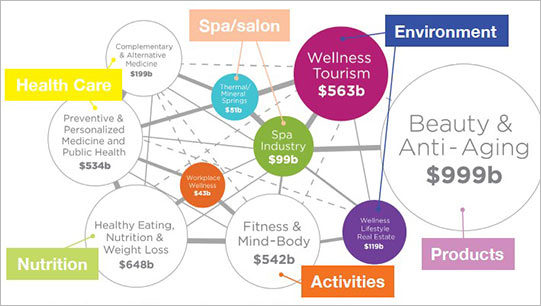
I hate “wellness”.   Nobody has yet explained it to me though I can work it out ie something which might benefit hair, skin, digestion or immortal soul –

and most importantly, makes me appear hip, because that’s what the young, famously beautiful and rich are doing.   Health which is a much more complicated concept doesn’t fit in to marketing.  Health is to do with Covid, right ?   Wellness is to do with food supplements and Gwyneth Paltrow.

I hate half the story.   It is all that most of us get when we’re talking about news of any weight.   Vested interests at every level live by the motto “fudge and blur.” But after all these years, shouldn’t somebody point out to Martin Bashir  that “not wishing  Princess Diana any harm “ is not nor ever was the same as involving her in a process which might harm her ?  We used to describe that as pigeonholing –

people who put incongruous facts side by side, not attempting to reconcile them but hoping by sheer brass neck they’d be acceptable.   In other words, the moon is made of green cheese.

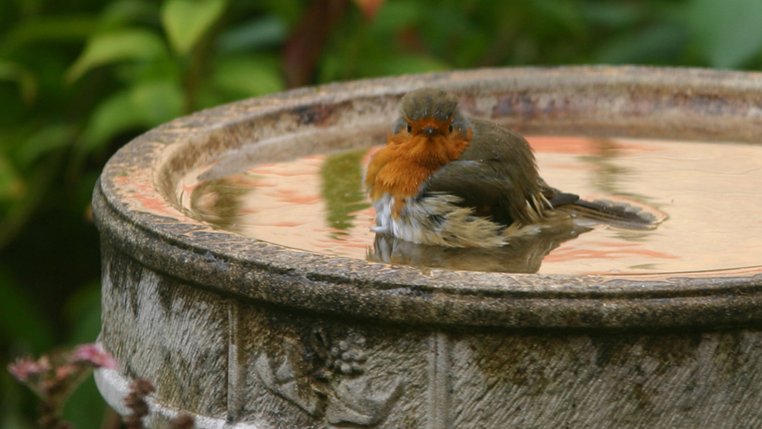
So here is seen with my own eyes good news, though only a fraction of the story:   after frost, hail, sleet and prolonged periods of overcast both cold and claggy, there are buds on the flowers in the garden.  Of course there may be more errant weather – this is the home of errant weather – but, as plants are fragile, so are they determined.  

empty

Forty years ago I did my first few self generated radio programmes and one of them was about housing stock standing empty and lack of affordable housing.   It’s still a problem. 

As in so many cases, those who can scare up the money are housed – and the rest can whistle.   There are blocks and blocks of flats near me, I doubt if a fifth are occupied, and most are far beyond the means of most of us.   I look at those upmarket eggboxes and I see funny money. 

Came Covid, and all sorts of businesses and endeavours looked at the disconnect between rent and  income, recognised the Devil’s bookkeeping  – all out, none in –

and gave up.  We have every kind of property waiting to see whether the future will mean a place of work, or work from home, or an accommodation between the two which will make full occupancy unlikely.  

Why then, would a Conservative borough, wave through the redevelopment of a site designated light industrial from two storeys to ten, reducing the number of parking places, on a two year build which can only upset air quality, light, traffic, safety and so on ?

The small group querying the developers and the planning department of the local authority met and I was there.  Three Americans, a French woman and me.   In deepest south London.  One of the Americans is an architect (I’ll call him Brad) and his French wife is a conservationist.   And they have  thank heaven kept track of this, from the project in question to the general scheme of things in the area. 

Brad showed us what is already agreed for development, pointing out that arguing about this new build – however much trouble it’s going to be – is pointless because the local authority has the power to go ahead and it will – so what is much more important is to look at what is missing, what can be done to safeguard the human element, and to begin to negotiate.     

With the aid of his maps and drawings, he showed us what was going up where over a much bigger area than the street we were ostensibly concerned with , how it could be ameliorated with a much longer view in mind but it was a chillingly perfect example of “we don’t ask so they don’t tell us”. 

A New Yorker in IT has just exchanged on a house which will be deep in disruption for the first couple of years she is in it (husband and two children). She said they would never have gone ahead if they had known the extent of the development.

The third American is the co-ordinator of the objection to the plan. She has worked in another borough but that might as well be another country.

And then the Times featured a piece on possible changes to the laws governing building while (it is alleged) senior Tories are warning that pushing ahead with a programme of building risks alienating loyal voters.   (And that’s before you mention building on green belt).  

But what are we building and for whom ?

According to our friendly neighbourhood architect, the local authority will collect the community charge from the developers if they don’t let the units.   And if that is true of work space, it might be equally true of domestic space ?  If it isn’t let or sold because it is too expensive, the developer or the landlord will have to shell out .  The local authority doesn’t care how the money comes as long as the money comes. 

Which leaves us with people who can’t find a place to live.    There is a great deal of empty accommodation and prevailing wisdom says that it is more expensive to refurb than to tear down and build again.  Really ?   Are you sure ??   New brooms sweeping clean and all that …

While the Prime Minister  is considering  planning reforms designed to trigger a house building boom via a bill designating  zones for growth or protection and limiting home owners’ ability to object to new developments.   So the boom risks being for the buildings rather than anybody who might live in them.  

gee

I first saw the King’s Troop, Royal Horse Artillery

when I was about 12.   My father said smiling, softly “the right of the line, the terror of the world and the pride of the British Army.”  It’s not a military family and I had never seen horses like that.   The combination of the uniform, apparently one of the most attractive and practical, and the horse flesh remains on the back of my eye.   I’ve tried to trace that remark but the great god Google doesn’t help (nice to know these things are finite).  I do know that several units were in India in WWI, where my father was stationed.  It may have been something the rest of the troops said.  Who knows?

The Troop was the unit to which I was closest when I went to Remembrance Day at the Cenotaph and I watched the horses stand, unmoved by the guns going off.  Except for the one immediately in front of me, waiting for his female officer who was in charge of a gun.   Something rippled under that coat,

an indication of tension mastered, which was stilled as soon as his rider returned.  You could almost hear the exhalation.  

I was not a little girl who had riding lessons.  Ponies don’t do it for me.  I first sat on an enormous hunter when I was 13 (he let me) and I sat probably with a little more connection on my hostess’s regular mount in Sussex years later.    I bluffed that I could ride to gain the approval of a boyfriend and you can imagine how that ended, he and horse.

In the recent past, I read a book about the history of man’s relationship to the horse

because of course human history would be completely different without them.   The distances travelled not once but again and again, the weights carried, the accidents averted – all depended on the horse.  Not for nothing is the engine defined by horse power and in the pictures I have of them ( by Yann Arthus Bertrand) you can see why they were worshipped.   

One misty November morning, I was unexpectedly up the street when the Troop came round the corner, on morning exercise, shining muscular caramel out of the grey.  I stood at the kerb at attention, my upbringing, to the memory of my pa.   The leading rider toucher his crop to his helmet – “Good morning, madam !”  Hooray for a voice, I replied clearly “God bless you all.”   Now that is generational.   We used to say “God bless” quite routinely, and now we are afraid it may label us, class or belief, or it means nothing which is even sadder.  We all smiled at each other and they clattered past.

Last week was a terrible week.  I have a friend whose entire family is in the medical profession and they are all in India. 

  I didn’t hear from her for ages, she has been most unwell with her first pregnancy and she and her husband have lived on the telephone and through the laptop to try and help their beleaguered families.   All I can do is be kind and encouraging and gentle.

I met a neighbour I’d been thinking about but hadn’t seen for months, whose daughter is anorexic.  She is in hospital again, everybody strained to breaking point, eating disorders are labour intensive ordinarily but these are not ordinary times.   The facilities for adolescent health were always critically thin and they are now struggling cruelly.  I stood in the street with her for 20 minutes or more, it is all I can do for her.     

And I really do take my own medicine.  There are only small things to get us through this in human terms.  If the big successes and big kindnesses don’t affect you directly, you’re back to the small ones, the personal ones, the best you can do – and you do it, again and again.  Buns found something called Livingstone daisies which he remembered from his mother’s garden and there was a picture in the paper of a horse reaching his head to his rider and she smiling, kissing him on the softest bit, just above the lip.  King’s Troop.

small

My friend Wal is a decorator, a designer,

a go to man whether for a boiler or a brilliant.  He has clients he tolerates (they pay) and one or two he is deeply fond of.  He walks his dogs which means he may meet somebody: we are both open to the delight of the casual encounter – stories told,  experiences clocked – and we tell each other about them.  But this exchange has been reduced, while he and Howard, together for 25 years, haven’t been able to indulge in lunches out, shopping trips, or any of the “no we don’t need them but they’re nice” pleasures we are all missing.  Several times recently Wal has said to me or I have to him in winding up a conversation “  Sorry, I am a very boring person.” 

I am not bored as such if I have something to read

but much of what I read isn’t for him. And what most of us have learned, passing through the Covid tunnel if not before, is that there are small pleasures and unless you’re a dope, you grab them and recognise them for what they are.  Like one day last week when it was cold.

I opened the door, sniffed and shut it again.   Did I have supper?  Yes.  Did I have soup for lunch?  Yes. Right.  Not going out.  

So I embarked on what Pam the Painter calls throwing the hoover round – heaven knows, it was time.  And when I had done that to some sort of standard, I cleaned the kitchen stove with a product new to me, bought because it was reduced and not a Puritan special.  Several times, I have bought things to clean the kitchen or the bathroom and the fumes have caught in my throat or made my eyes water.  The Puritan thing is that dirt is the Devil and must be destroyed.

I am all for clean, I think it has underrated appeal, but I prefer to survive the grot intact and if I choke or my nose hurts, I can’t help but wonder how remnants of that substance will impact on food or my ageing skin in the shower, let alone the sensitive mucoid lining of my nose or lungs?  I know the enemy is bad bacteria

but it isn’t all bacteria.   And sprays are a two edged sword too.

So here am I facing the gas stove with a neat little package composed of a substance admixed with orange oil and an abrasive scrubber.  Yes, it took slightly longer to use than some other products and a bit more in the way of wiping away, but it did the job well and it smelt agreeable.  (Don’t think I was mucky about the bathroom – it was done the day before.)

And as I pause in the middle of the dusting I was probably doing in the wrong order, the letter box rattled and under a pile of coloured literature about mobility scooters and sheltered accommodation, there lay a parcel.    I wasn’t expecting anything and my mother’s description of me lingers in my ears yet –“Hell to buy for !”  But Perce didn’t think so.  He had spotted this book, he thought I would like it and he sent it.  The thought alone was enough to make me grin

like a fool.

So then I washed the kitchen floor – in Simone Signoret’s only novel, the concierge does this daily but I regret to tell you, I don’t.  Though as everything dried into freshness, and the soup was warm I thought as I often do, that I’d rather my life than a lot of other people’s.   And once I stretched out to read a bit of the gift book, I fell asleep.

I came to when the letter box rattled again, though I thought it couldn’t be post so I ignored it.  And when I got up, it was an Amazon envelope containing another book, from a radio friend who thought I might like it – two books in one day ?

As evening came down, I stood in my small clean house, candles lit in every room, books in my hands – lucky, lucky, lucky.  


nod

Sleep is a country.  I am a great believer in sleep. And if it’s a country, I hold a passport in apparently good order because I visit, regularly and with gratitude.  At various times in my life I have been unable to sleep and crawl into the next day feeling like I look – grey.  There are people who don’t sleep, through personality or illness – I worked for one true insomniac, by which I mean nothing to do with drugs or drink,  and I marvelled at him.  Rather him than me.

There are times in your life when you don’t sleep. 

My son slept through the night twice in the first three years.  The first time I thought he was dead, waking with “mother’s ears” to stumble to his cot where I couldn’t see anything moving.  Eventually he muttered and I let out my caught breath.  The second time was a slightly less dramatic re enactment, almost as shocking because of the infrequency.  On a good night he woke three times, on a bad a lot more.  Three years of sleep deprivation were offset by the fact that I had got him at all.   It made me think, with new respect, about my mother who had me when she was even older – though she had WWII for prep.

In my last full time job I was absolutely shattered by unexpected tension and unpleasantness, and when we parted company, I fell asleep in every comfortable corner for next several months.  I was as they say “fair wore out.”  

Of course there are times when there is an extraordinary demand on you . 


Someone is ill, you have to work a different shift pattern,  or you have to be on call, to be awake.  And you do it.  Needs must.  I don’t remember (though we all know how exclusive memory is) being ongoingly cross with my son, I was so darned glad to have him.  I do remember that the golden pleasure of him seeped in and drove the fatigue into retreat, not quickly, not easily but over the years. 

When you are younger, time is elastic. 


You can stay up all night, and another night, catch a few zzzz’s and go off to basketball practice or meet friends for a swim (I use these examples just to prove that not everybody likes football.)   In a sense, when you’re young, you’re in puppyhood.  One of the nicest things about a young animal is how it gads about till it’s tired and then falls asleep where it stands. 

I learned something about sleep from my son.  He was big – tall and big made – and he needed sleep.  And if he were unwell (which didn’t thank heaven happen often) he could sleep himself right – an idea I grew up with.

As you get older, sleep changes. 


It becomes elusive, never enough, never deep enough, unsettled, unsatisfactory and people start reading theories about sleep – how you should this (oh, should !)   and you mustn’t that … any or all of which may help you or not.   The best sleep in the world, over time or a terrific holiday, is only a step in the right direction.   How you sleep now is more or less how you sleep now.   And if I go back to the beginning, that sleep is a country, then it has its own customs and the interpretation of them varies.

Older, I can’t eat late any more.   I drink less than ever simply because it keeps me awake.  Though occasionally, several glasses of a really good organic red has the opposite effect.   I looked at the opening of a film the other day and thought “Right –  I am in the company of a violent person – do I want to be with him for the next two hours ?”   And switched off.  I often read old favourites last thing at night, the rhythms familiar, enough – now try …

But if I can’t sleep, I can’t.  I get up, find a book, make hot milk, take two digestives and face it till I can or not as the case may be.  And if I am ill or shocked, I channel every puppy I have ever known, on to the couch, under a blanket and into surrender.  Sleep as a healer, thank heaven for it.


onward

I have a friend who often begins or signs off her emails thus – onward –

and it reminds me of one of the editors I used to work for who would say “Onward and upward “ , usually after a scrappy staff meeting, leaving me muttering quietly that I would settle for onward.  Certainly at the moment.

Friends are talking about holidays, others about a meal out – so it is grim to hear that the no show rate for booked tables in London is so high, with the industry staggering.  Spring makes you want something new, because new is all around you.

 I’m sure it is a very old impulse, layers of interpretation changing with the times.  

Come spring – a whole conversation right there – and I would be ripe for reinvention.  I’d go off, buy something and was very rarely pleased with it.  It took years to realise that it was me I wanted renewed, not new clothes. 

Don’t think I don’t like something new, I do, but whatever I bought only fixed that feeling of dissatisfaction for an increasingly short time.   I think my wariness of spring crystallised into learning something about myself.   You can change the packaging but not the item.

There are certain domestic tasks that make most of us feel better – cleaning the silver, all two teaspoons of it: changing the bed: a line of washing hung out in the breeze.  Some of us like to cook.  All of these are characterised by a beginning, a middle and an end – and the end is different from the beginning.  The silver shines, the bed beams, the washing smells fresh, the cooking appetising.

But you can only do that symbolically with yourself.  You can have a haircut or buy something new to wear and it may improve you but it won’t change you.  I went out to buy in spring  and came home knowing the magic hadn’t worked.   New things in the carrier bags,

AR same old same old.

In a funny kind of way this was simplified by lack of money.  I couldn’t afford to buy something I wasn’t going to wear (shades of my mother) so I pulled back.  I can’t remember the transition or whether I turned housewife holy for a year or two and cleaned the house from top to bottom instead of going out for a spring shop.   I do remember changing my eye makeup because it was breakthrough.

I don’t wear much makeup.  Over the years I have found things that suit me and discarded things that don’t.  I remember the first “professional” makeup I was given for the first press photograph – green eyeshadow

and orange lipstick – and thinking “Well that’s never going to happen again.”  If Elizabeth Taylor could learn about her makeup, I could too. 

Colour seduces me.  I couldn’t count the number of wrong buys in the right colour.  Blinded by the colour, I hardly ever got that wrong – but I couldn’t see shape or cut.   I learned.  One year, knowing my colouring had changed with age, I bought a pencil for the eyes named in a way that still makes me laugh and matched it with an eyeshadow from somewhere completely different so that even when my eye troubles precluded the modest couple of coats of mascara, I still looked halfway human.  Spring breakthrough.  Yippee !

A couple of years later my spring buy was a pair of modest earrings, relating from the period when costume jewellery was judged successful by its evocation of the real thing.  Shopping earrings.  Great. 

This year I bought the most beautifully envisaged and put together Guerlain lipstick, packaging heaven, lovely colour, wonderful idea.  But it doesn’t last five minutes.  It is always the luck of draw with any form of lipstick. It reminds me of all those wonderful moments when I looked at women putting on lipstick, my mother, movie stars, some elegant woman somewhere – and thought one day, one day … when I grow up … and it came in the last few years when I collected several lipsticks (including a reduced price Guerlain, two Nars and a breakout Chanel) which I have worn nearly to nothing, mask notwithstanding.    My mother would be proud of me.  I don’t think she went to the bin without lipstick and earrings. 


besides

One of the great successes

of Richard Osman’s first (and as he says, best) novel is that death is never denied.  If you set a story in a retirement home, no matter how rich or pleasant, death is a reality.  Avoiding it with endless operations and parties is still denying something that is there.   In the outpouring over the Duke of Edinburgh’s death, it was acknowledged that HM and he will have faced this, as will the family and the court.   They do.  It’s part of the job.  

Just as, all those years before, the young couple must have thought of the risk of the distance when they went to Treetops,

where the Duke had to tell his young wife her much loved father was gone.   Certainly, said my mother, the King knew he would never see her again. As he kept looking back at the plane, his face said it all.

Death is the shadow besides the substance of life.  It is there for all of us.  People have different relationships with that incontrovertible , a great many of them to do with denial.    I have one friend who, like me, was brought up to accept death as part of life rather than a separate thing which is imposed upon us.  I think in a decade we have spoken of it three or four times, it is a comfort. And I can forgive her everything for the clarity of this shared perception.  

It is a mistake to think that shadows are always threatening, any more than they are always benign.  But they are evidence of life, live conceived, life lived, life damaged, life ending. 

  I am not afraid of death but I am very afraid of dying.

When Covid began, my son, one of the kindest and most sensible people I know, said “ Mum, you can’t get this.  Not with your chest.”  My lungs were compromised when I was 6 and I have scars on both of them.  A chest cold is worrying, anything else is uncomfortable.  And so I began to be careful.   It has all lasted a very long time and I am as bored with it as many others but so far, so good – and I’ve just had my second vaccine.

You can’t chose your death, the shadow choses you.  Suicide, wilful death, is another discussion and I don’t propose going into it here, though I have known and loved two friends who chose it and I understand their choice if nothing else. 

Yes, there are terrible medical accidents and misreadings.  Only yesterday a friend wrote from Germany to say that the youngest uncle of her richly happy and extended family had died five weeks after a diagnosis of cancer. And medicine can get it wrong.   

We are deeply medicalised.  We go to the doctor as people once went to the church and the religious and the medical were once much more interactive than they are now. Wonderful things can be done.  And often we seem to expect a miracle.   So large numbers of people just don’t think about death.    It’s like the girls at school who thought that getting pregnant was something that happened to other people – over there somewhere, unreal, unrecognised, shadowy.  I’d say, denied.

But it’s real.  Death comes. 

  Of course we would all like to die with dignity but many of the big bad diseases don’t allow for that.   We would like to die painlessly – that isn’t always possible either.   And as I wrote to my friend in Germany, the lack of decline may serve the dying but it is hell’s own hard on those left behind. 

And it is not escapable.   You cannot outrun it.

  It is, if you like, the shadow on the sun of our existence.   There are people now who say “Thank heaven I am no longer young.  To face this world – plague, global warming and political infighting, destruction of the seas –  is beyond me.  Heaven help those who come after me.”    Countermanded by those who say “Got to keep on keeping on, while there’s life there is hope.” 

 I have a deep sustaining relationship with The Master of the Universe, closer to the Great Spirt of the First Nations than anything else, and the old prayer says “Thy Will, not my will “.  Not much besides.    

joe hill 2021

When I was 9, I attended

the Avenue Methodist Church in Middlesbrough.  I had been brought up to visit any place of worship with appropriate dignity but just in case |I sound too holier than thou, I went because Derek Moore did.  I liked Derek and he lived near me.  It is the first place I ever heard a missionary speak, a tall white haired old man from whom I think I heard the phrase “hands across the sea” meaning good wishes from distance.

I am not an Amazon fan. 

The overpacking makes me spit bullets.   And a friend told me about watching the delivery man unable to raise her by ringing the bell, walking back down the hall (mansion block) and just throwing the package aside.  “They are paid so badly, they don’t care whether they deliver or not.” Always another unit, always another trip.

Recently I came on a story about Bessemer, Alabama where there is an enormous Amazon packing station – because there isn’t much else.  27,000 people, 71 per cent black, 25 churches.  Average shift 10 hours with two 15 minute breaks which, given the size of the plant, means some won’t be able to pee and eat.  (See Hidden Figures, a film based on the true story of three Afro American women working for NASA on the 1960s for a stunning scene when the brilliant mathematician explains in rage and humiliation that she must use the coloured lavatory and it takes time to get there and back – that’s why when her supervisor looks for her, she is often unavailable.)

Bessemer decided to try to unionise.  Amazon can’t forbid this, that would be against the law.  But they can make it as difficult as possible for people in a town where there aren’t a lot of options.   I found the story on NextDraft, rerun from VOX in the US and on Monday 29 March, Bessemer made it into the Times Business Pages.   Of course the backstory is not simple but the majority of the churches support the bid to unionise and this is Martin Luther King country.  Not much point in asking people to pray if you don’t help them eat.

So I went back to the original US coverage and found a photograph of a church with the name clearly displayed and wrote a letter of support to the Pastor.  It really just says thinking of you, good luck, discrimination against the low paid works out as discrimination against everybody, I am old and white and you’re in my prayers.   I could have chosen the one place where they’re against the union.  But I sent it. 

Hands across the sea.

I had a fine weekend which included a birthday but somewhere in there I developed a cold – the real McCoy, an oldfashioned stuffed nose, hacking cough, hot and cold job.  And like a fool I have run out of slow release Vitamin C.  I can make it through 24 hours, I’ll get it tomorrow.  Until I mentioned it to a friend who leapt forward with outstanding Amazon credit and arranged to have what I needed sent to me – and then wrote and said “Don’t be mad !”   I’m not mad, I’m grateful.  So you can see that Amazon has a role in my life,

though if they had to live on me they’d starve.

Would I have done that for myself ?  No.  I don’t know how.  Will I accept it when somebody does it for me ? Of course, with appreciation.  Does it make me feel any better about those arch and expensive television ads telling what nice people Amazon really are ?  No.   Seventy years ago Goebbels would have directed them to offer the benign face of Hitler and praise the autobahn.  There is always somebody trying to make a silk purse out of a sow’s ear.

 It’s only a few years ago we were all trying to save trees.  Now we’re knee deep in paper pulp (made from trees) and Amazon is so much part of present day life that we accept its terms without question.   Unless you’re poor and you know the fight is right.