Tag Archives: reading

Playtex Living Bra*

This is a

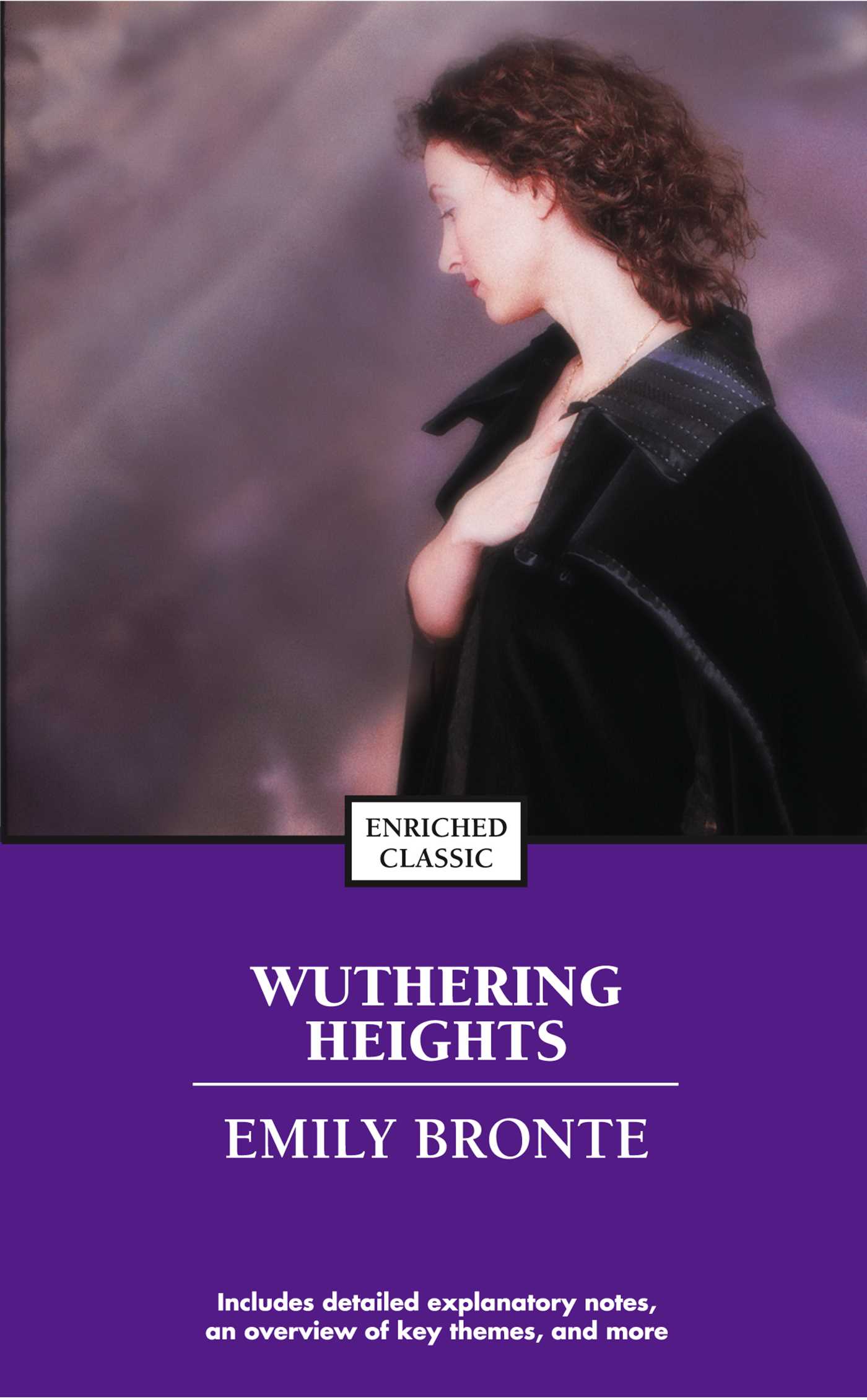
Wuthering Heights free zone.   In case you haven’t heard  (lucky person, you must be living on Rockall) it’s a film, inspired by a book by Emily Bronte, her only published work in a short life, and the more you read about the Brontes,  the more you think “ … and well out of that.”  It is a film, you will either see it or you won’t.   Because of worldwide release and a woman director it is being talked up a cultural storm.

Rummaging  for  something positive to write about, I came up with negatives. I began to think about what  I don’t like – and I don’t like the Brontes.  And in the case of WH, I don’t like sex to porn as a motif for life.  

At school, I heard
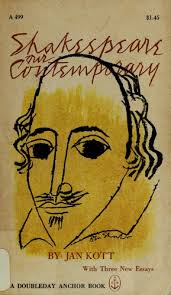
Shakespeare read round the class which is the quickest way to kill it I know.  Kids being asked read in forms they didn’t understand.  Found a partial way back  to WS through wonderful performance, but much later.  

I don’t do
Jane Austen – there are occasional lovely dramatisations for lightweights like me.   I have long  theorized that writing has texture like food, and like food, while you may learn to like it, for most of us – you either do or you don’t.  And I admit to an eccentric way of finding what I want to read – I follow my nose.

I don’t like leggings, I understand they are practical and economical but I don’t like the way they look.  And have never seen a lower half they became.

I don’t like white shoes – white shoes of any shape – white sneakers possibly, in limited context –  but white high heels with pointed toes? 
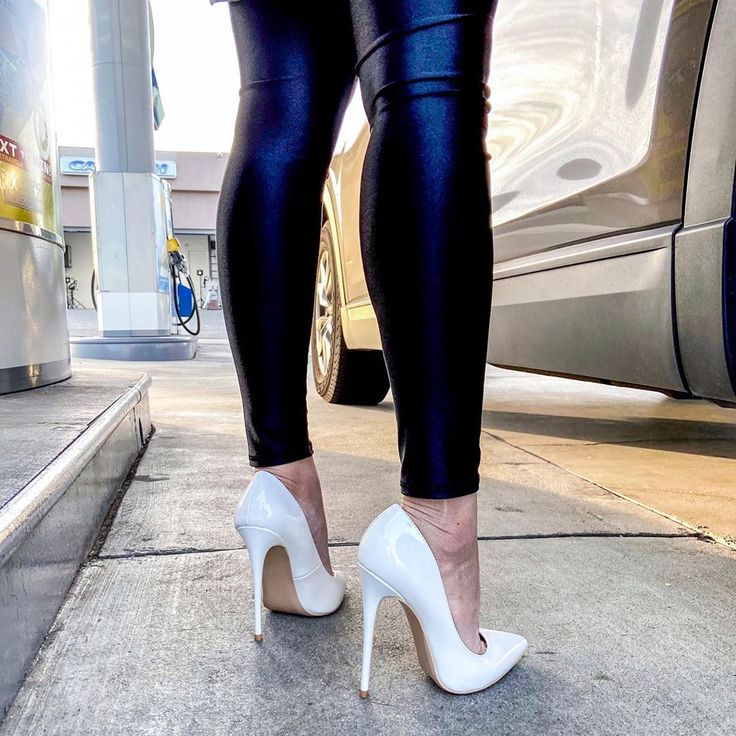
No.  I remember when the women of the Royal Family wore white shoes.  I didn’t like them then and I don’t like them now.

Nothing will induce me to like flattened longer hair, whether it is Cleopatra or Claudia Winkleman.  Don’t like it.  Rarely kind, let alone becoming, and leads to the old crack “Come out of there  – I can see your feet !”

I loathe long nails like talons (very loaded word for me at the moment, I call the pain in my poor back The Claw: it feels how it looks)  My ex husband who had more form than Shergar once recoiled from five centimetres long sugar pink shellac with the  comment “I don’t want that anywhere near me!”
Tired to dislike of talking about  building new  houses.  Let’s start talking about a serious review of existing unused property, how long  it has been vacant , what shape it is in and what has to be done to make into roofs over heads ?  And how you are going to pay for it if AI takes over all those jobs?  Those making money out of it won’t care – but the rest of us will.

And a watch this space from Sweden which 20 years ago, a respectable length of time, phased out books at school and phased in screens.  Literacy has fallen, really, year on year till they have reversed the policy, books are back in, reading aloud  – yes,  I know a pig till you learn to do it – individual help for readers who struggle for whatever reason – and the figures are going back up.   A self confessed book freak, I want to cheer.   The problem is often the tone of the teaching. And Sweden has discovered

that some children have parents who struggle with reading and invited them in too. 

It cheered me too because it was a European example – smaller  numbers and budgets.  And it was about doing something.  As is a new book which is about making peace with the second part of your life – which is going to be different from the first.  I have heard till I am green in the face about diet, exercise, and all the other sensible things which are a mantra against  dying.   But when you get to this second half (and I am deep in it) we are too good at the recital of its negatives and not nearly good enough at looking the good bits – which I find constantly – bad weather and all – uplifting*.
as others see us

Every so often, some kind person  suggests that I

might write another book … For the record, I wrote  three or two and a half  – this last was really commentary (I learned to call it a monograph) on some previously unknown  pictures of  the  film star Joan Crawford, who caught my  imagination.  JC’s story was the first time I  appreciated the cost of coming from nothing to something and having to make your life up, not once, but over and over again.  It also taught me that you should never be surprised at the backstory of an enormously successful person,

especially in media,  because  what is seen is  underwritten  by a lot of other less attractive qualities.

On BBC Radio Four Wednesday 12 November  you can hear the story of a writer hung out to dry, after many years of work which fed her writing, the in-person support of those she wrote about  and, for my money critically, that the people in power in the publishing company had not read the book that set off this catastrophic unravelling.  And  finally shamingly had to admit it. That is of course now down played  by  a statement from the current “suit” about  it being in the publishers` past,

deeply regrettable, sincere apologies to all concerned, etc.

Categoric statement about any kind of creativity:  if you haven’t with your own eyes

seen the picture, read the material (article, magazine, leaflet, book and so on), seen the film or play, examined the statue or the woodcut  – you don’t know what the hell you are talking about.  And this story, of the author Kate Clanchy called Anatomy of a Cancellation, is about how you can be taken against to the detriment of your life and work. 

I remember meetings with publishers.  I had sort of some sort  literary representation at one time.   I didn’t generate  pennies or profile so I probably wasn’t as interesting to them as they gave  me to understand.  Nor as malleable, or as skillful as they in those first enthusiastic moments  implied.   Thank heaven.

I remember changes of personnel at publishers without so much as “I thought you’d like to know …”  although I was directly involved. I remember disinterest and I remember dissatisfaction (personal, this) with the length of the procedure.

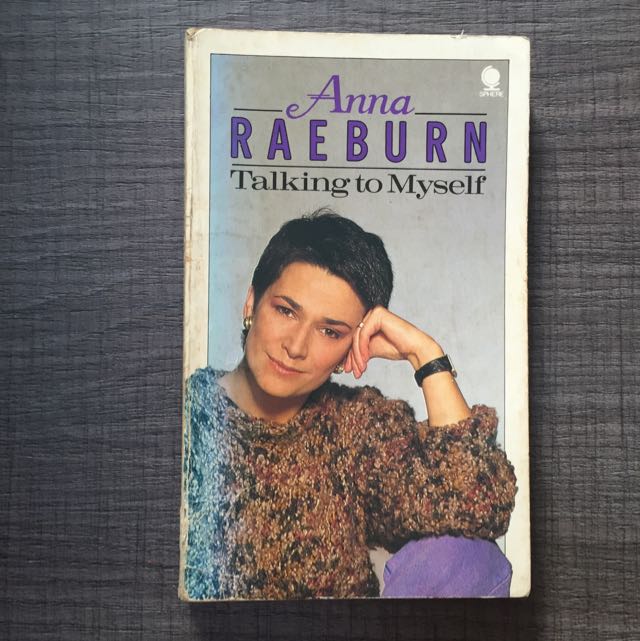
I wrote a memoir ( you couldn’t call it an autobiography – too soon) on spec.  No money changed hands, I wanted to see if I could do it.  I think of it  as I affectionately  pat the kitchen table (still with me) at which I wrote it, on a reconditioned manual typewriter (office model) which I still prefer.  

Hardback was painless, it went to paperback where a snooty editor asked me for a definition of “pack ice” – I said she’d  find it in the dictionary, which is where I found it – and checked it, before I used it.  I fought for the text I had written. 

It’s not my favourite book  but  I reread it a couple of years ago without  regret.    I didn’t get much in the way of review, because it was unfashionably candid.

Bear in mind please, that this is at a time when I thought writing a book was the be-all and end-all and would  confer on me  a kind of direction and serious mindedness to which I aspired.   And  respect. 

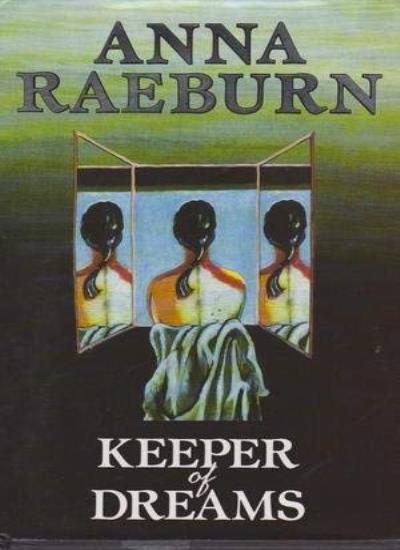
I wrote a novel of which I was reminded the other day when SR sent me a note about it and  A Psycho Analytic Analysis of the Mother and Daughter Relationship in … of which I had never heard. 

  36 years later,  I live and learn.  Mine is very much a first novel, an only novel.  I had a lot of work to do and I didn’t do it.

I learned over time various truths about  me, the life I was in, and writing.  I discovered that I might aspire to journalism – which was  going to be a long journey, God Bless the New York Review of Books, Robert Caro and all sorts of  people who made me think and kept me going, try again, try again – and a whole new appreciation of the  broadcast spoken word as  achievement.

No such thing as white collar occupation – blood on every collar !