
Just because a film is old, it does not follow it is good. What we want to watch changes,

in terms of how a film is put together as well as subject matter. But I have had far more joy out of Talking Pictures TV than other terrestrial stations. TPTV knows its market and last night it promoted the return of a series I like very much with the immortal line “ back by public demand”. You want to leap in the air and cheer! Magical words.
Can you imagine how rewarding it might be – chastening too – if we had a some modest system of feedback

which wasn’t regulated, filtered and faffed about with just to give the powers that be our opinion on this speech or that film or that case – and somebody gave a damn? In which feedback was regarded as important instead of just part of the process.
The old British series of Maigret, George Simenon’s detective, is so well done that I watch it every Saturday night unless – as they say – I have a better offer. But the French series dominated by an actor called Bruno Cremer

is wonderful.
It is not about what weaponry can be used to torture and maim or the biggest budget this year in special effects – and yes, I recognize that some of the best special effects people working are British and hooray for them. Maigret is about other people’s lives.
Leave to one side the writers of poison pen letters, meddlers, snooper and the self righteous – other people’s lives are often interesting
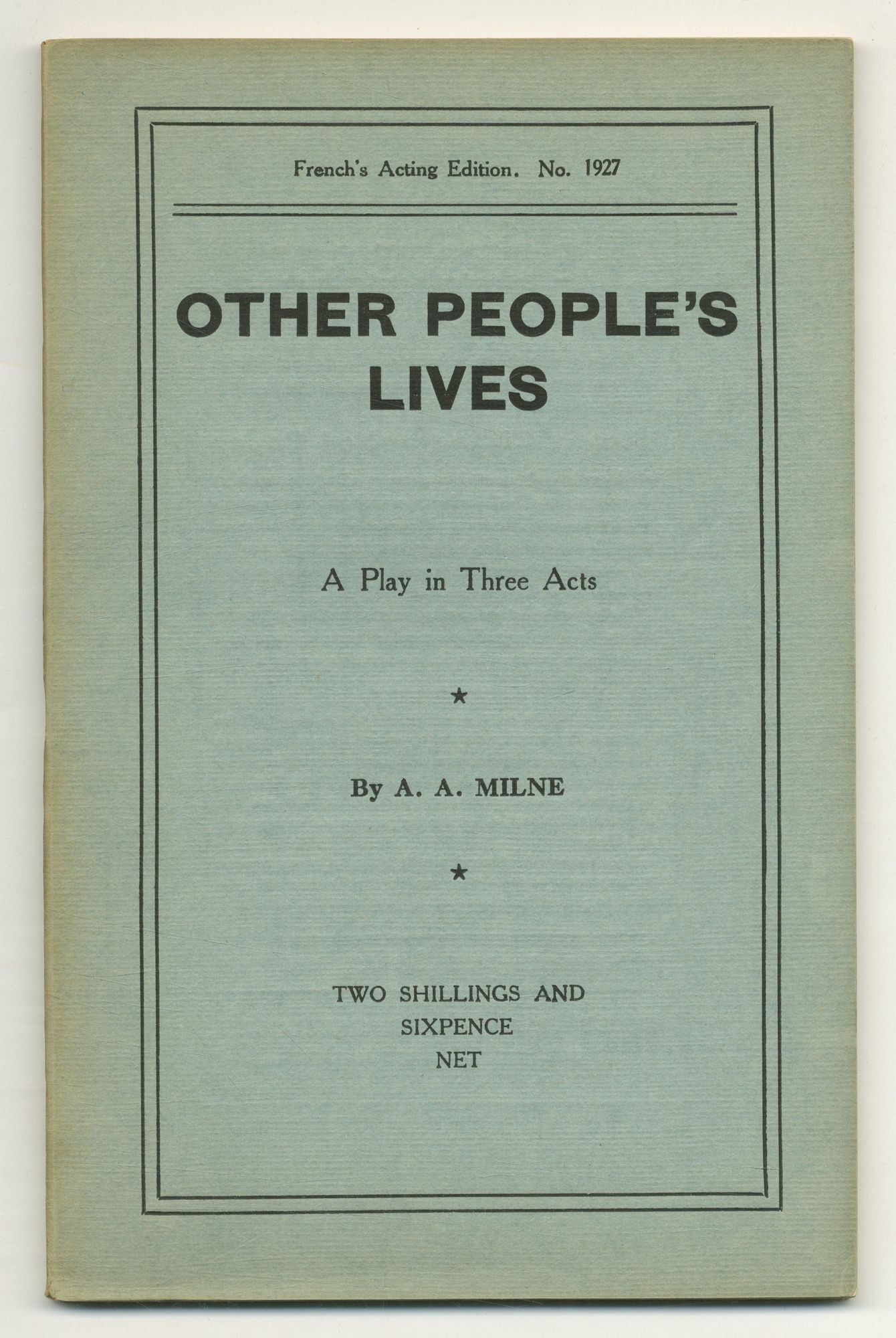
just because they aren’t ours.
I started thinking about this because I wondered why I have reacted so strongly to the notion of “going back” from school reunions onward. And then in my mind’s eye I recalled details local to the house I was brought up in, who lived where, what I could remember about them and for a brief moment, thought about revisiting ie going back. And pushed it away. It will be changed. I will disturb my memories – just as 10 years of holidays in Crete stand. I am not going to revisit – it will be changed and I want to remember it as I knew it.
But I am self evidently interested in other people from formal history to personal. My friend Denning who because he is a wonderful listener is often the recipient of stories – as am I – and we occasionally say to each other “Oh Lord, other people’s lives !” But you couldn’t say they weren’t interesting. This person stayed in a horrible home while that one packed a bag, took whatever they could scrape up and left. Gone.

No going back. Another life.
A couple of years ago in a candid conversation (they didn’t “know” me and I didn’t “know” them) I sat with young neighbours by their invitation on my birthday and somebody asked me what I did when I worked. I explained the radio station and the programme which established me and how I hated to have it or what we used to call “problem pages” trivialized (a) because it matters to somebody and (b) because in amongst the ordinary stories, were some extraordinary ones.

They pressed me. I don’t need much pressing. So I spoke about the man and his wife who could not heal after the death of their nine year old daughter, and non consummation. Which I had to explain. They asked intelligent questions. And I pointed out that that kind of exchange remains rare.
My mother would have said it was merely good manner not to ask questions, to wait to be told. I might have rephrased that to “you open the door, I’ll walk through it” bearing in mind that on radio, there were certain things which for reasons of legality or responsibility were better not broadcast – because you don’t know who is listening. In all senses of that phrase.
But how people reach decisions, what they decide to do and do, or don’t and how that plays out remains fascinating,

one of the great mysteries. What is logical to one remains utterly unreasonable to another. Decisions you or I see as inevitable are unreached. What people suffer, impose on others or don’t learn from is an endless lesson – not in a book or on a course but all round us – other people’s lives from which we learn or don’t and muddle through.
From everything I have read, George Simenon was at best odd and at worst unpleasant. His output was formidable. My minor addiction to the major creation of his detective Maigret comes from 18 of his written mysteries – with one overriding common denominator: other people’s lives.

Aldous Huxley said “…ultimately unknowable”

