Category Archives: Uncategorized

day by day

Here is good news.  When eventually the  extended family plus friends over the back from me  finished  playing music I wouldn’t play and drinking drink I wouldn’t drink, the air cooledand I had a delicious quiet dark hour in which I ate something I enjoyed and watched the best episode of Hetty Winthropp Investigates I have ever seen.   Small pleasures ?  You bet.  Grab them while you can.
Last week after I was told that my right eye has begun to lapse into wet macular degeneration, I was telling a phone friend, an elderly gay man with his own health problems, who likes the telephone as much as I do.  And he spontaneously offered to help out monetarily

if I wanted to stay in the private sector.  I don’t (it’s beyond contemplation) and I wouldn’t take his money because I couldn’t repay it – but oh the thought was lovely.   As good as a reality.

I really cherish my friends – to which too often the stock response is  – “Oh but you must have lots of friends.”  I don’t.  I don’t because I am a pain to all who know and love me, and because friendship is the highest order of relationship.  I don’t call everybody I know a friend.  I am pretty stingy with the term and even in friendship,

it is a matter of degree, and acts of kindness.

In the terribly overrated sweaty heat, I went self consciously into the supermarket with my hair loose where Shirley said “I like you with your hair like that.   You’ve a lot of hair haven’t you – it’s quite thick …” and I told her yes, nearly as thick as the head it’s on, and she laughed as if I had made a good joke.   “I’ve never known you “ she said “when you weren’t cheerful.   You’re always positive, always smiling  …”   She should only know.

This is not a rant.  We can all rant but beyond letting off steam, it gets us nowhere.  There is a lot wrong, I’ll spare you the list.
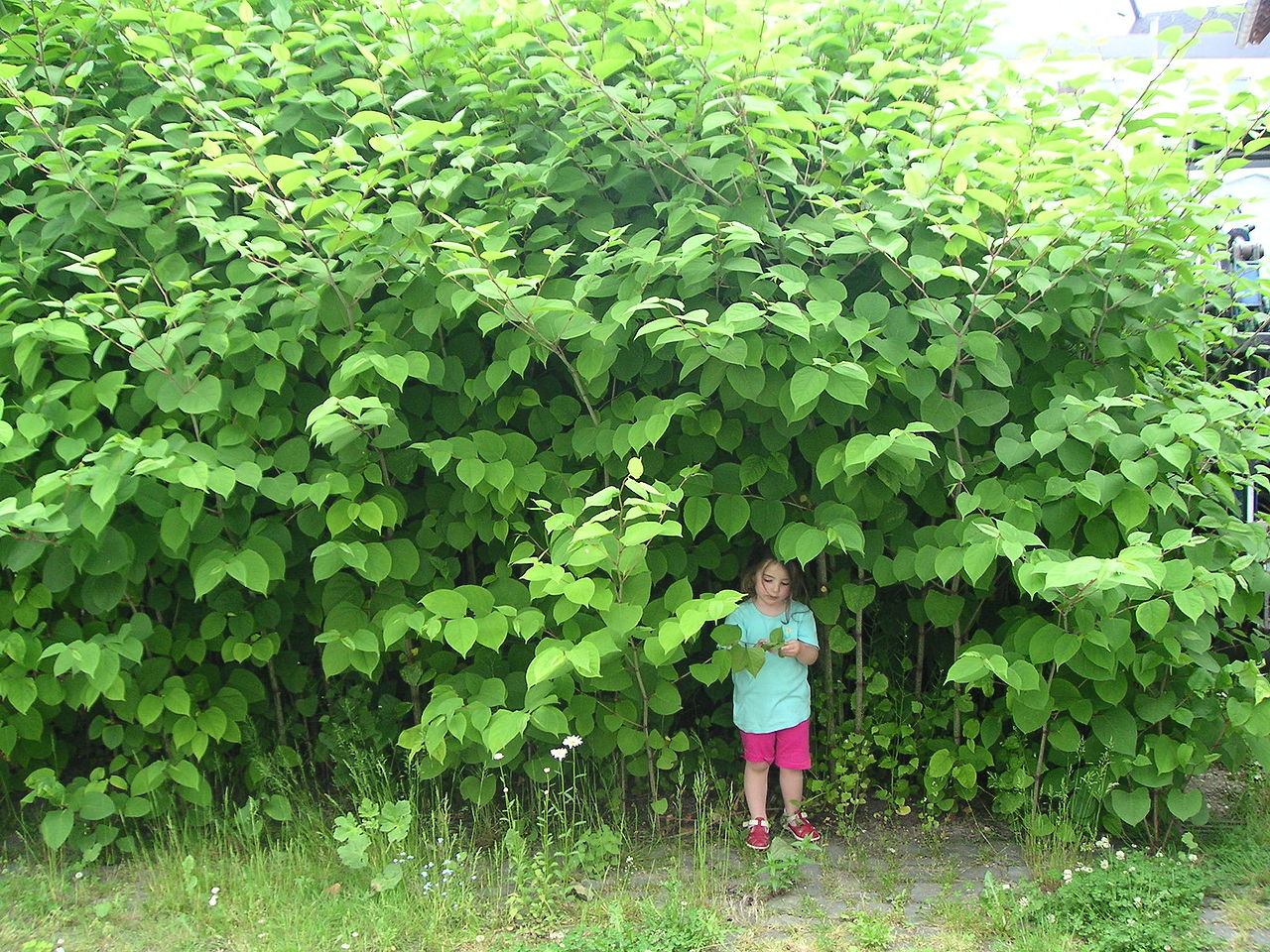
“Japanese knotweed”

The competition to see who is having the worst time is invidious.

News media – responding to all sorts of pressures including the basic one of keeping your job – promote, investigate, play down and shelve stories.  We are the consumers.   We accept versions of the news – in papers, on radio and tv, via internet, locally nationally globally but always politically.  Which is why the shattering of the last intact ice shelf in the Canadian Arctic only made Page 45 in The Times: the paper is owned by Rupert Murdoch who is not in sympathy with the current concept of global warming.   News stories go in and out of focus, depending on who needs what to happen when.  Vested interests, who’s running which bit of the show …

Robert Fiske wrote Pity the Nation but I couldn’t read it with any understanding because of the complexity of the Lebanese situation, summed up in the aftermath of last week’s explosion in Beirut as having to contend with 18 separate recognised groups.  Add consensus as rare as hen’s teeth to galloping corruption, goodnight nurse (one of my father’s phrases).   And when you look at the geographical position of Lebanon, adhering to the eastern end of the Mediterranean, bordered by Israel, Syria and Turkey, you are reminded of those seabirds you see clinging to rock terraces, ready to die.

Every so often, you get tired of being sensible.  I love good bread, hard cheese and red wine but – noticing the inevitable tightness round the waist and general blurring of countenance – it was time for temporary banishment. They can come back later. And by the same token, I tired of wearing the sensible lace up trainers for which I am usually grateful,  so this morning (as my mother would say) I broke out in a fresh place, floating about in a vision of slate blue top, olive linen pants and espadrilles covered with silver sequins.

It’s not an accident that I’ve quoted both parents in this piece.  Both parents did well by me.   They taught me to look for the good and the helpful and the beautiful and to celebrate them, even if they  came in the tiniest and most ordinary package.

the other PC*

As one day rolls into another and we admit as much shamefacedly to one another, we need to be reminded of each other as humans even more.   I was on my way coming back from getting the papers, a neighbour emerged from her flat, frowning and looking puzzled.  I asked what was the matter ?  “Have the bin men been ?” she asked.  I said I didn’t think so.  “But they’ve been there – look – and there” she pointed “but not there.  I don’t understand.”  I said “The bin men come on Wednesday.”  She looked at me and asked what day it was ?  I said Tuesday and she put her hand to her mouth.  I had the great and illicit pleasure of the touch of my hand on her arm. “Is there some gin in that bottle ? “ I asked grinning and she grinned back.

A couple of days later, I went to get a bus and there were three children – a girl about 11, a boy a little younger and a smaller boy who may or may not have been younger – lined up as if to sing – and a pretty woman in black with masses of coppery curls blowing the slight wind.  “Are they all yours ?” I asked – she looked impossibly young – and she folded up with laughter.  Only the taller boy, she explained, the other two were neighbours’ children.  And we launched into a feeling better conversation, about the light and laughter and exchange and the acceptance of death at which point I asked where she was from, and although born here, the family was from Eritrea.  The continent of Africa has much to teach us before the Chinese completely subvert it into a second colonisation.

Acceptance often sounds like the end of everything  but my favourite American saying is “Three sure things in life: birth, death and taxes.”   With all the medical advances of the last 100 years, speeding up exponentially, what the pandemic leaves us facing is who is going to live, who is going to die and what are we going to do with the plastic ?

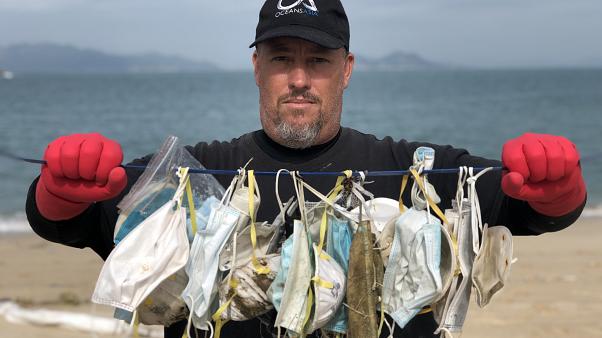
When I apologised to Beverley in Waitrose this morning for using an M&S bag (the first I have ever bought), she said “I don’t care as long as you don’t buy another one ..”  explaining that she was shocked  (her word) by the number of plastic bags she had amassed, which she might never have investigated except for some home time during lockdown.  “And where are we going to recycle that ?” I asked.  She nodded vehemently.  Disposable masks are already being dropped in the street, watch any programme about Covid treatment or prevention and you’ll see the level of discard – and what are we going to do with it all ?

Whether it is the PM’s own idea or that of doppelganger Dominic Cummings, I am less concerned about being polite to cyclists (what I want to know is when they are going to be polite to me – let alone to the rest of the travelling public ?) than I am about the plastic.   Couldn’t Carrie Symonds put her baby on her hip and start an initiative for the new world  – the world her child will inherit – because if somebody doesn’t  do something  practical soon, Covid will just become an excuse to give up.  And that much trumpeted normality an excuse for not very much.

I can no longer watch the endless home made stories of what’s right and what’s wrong in the response to/treatment of/survival from Covid-19.   I want to be told where to put the plastic, how it is going to be broken down and dispersed to keep it away from the fragile beleaguered environment which serves us all and needs all the help it can get.   I want to be told how much can be reused.  Not in an interesting hour’s documentary which won’t be watched by enough people to make a difference but in a series of public health announcements, short and sharp, judgemental and directional.    If I thought he’d read it, I’d write to the Prime Minister, as he bounces up and down pompously with yet another ineffectual slogan.

For, yes Prime Minister, we are indeed all in this together.

*PC = post Covid

notes on a letter

What is it with M ?   The Virgin Mary, Monroe, a child murderer (Peter Lorre in Fritz Lang’s film “M”), Charles Manson and the modern take on it – Maxwell.   It is a long time since I read The Family and Helter Skelter, both books about the Manson Family, which contained one insight that has never left me.   The crossover of the rich and famous with the savagely disturbed and dissolute was always the same, wrote the author – drugs and sex, and sex and drugs.  And you could add, the enabler – m for money.

Quite early the telephone burped and there was a friend of mine who had just discovered that a friend of hers, with a list of difficulties not quite forearm length, had been lying to her for 10 years. She talked a bit and then went off into talking almost to herself, about where they were up to, how it came to light, what it means etc.  “But I didn’t know, I just didn’t know” she muttered.  “What kind of fool am I ?”   And I replied that interaction with any kind of addict is exchange with somebody who wants to conceal what is really happening and is cleverer- said I  – than a waggon load of monkeys.  M again.

I really have never known much about money.  I came from none, earned well and for a long time, made the sort of serious financial mistakes that marked me out as thoughtless and improvident – till I began to realise that some of this was not of my making and that quite a lot of people  went through the same disturbance – even if we don’t experience it or respond to it in the same way. It’s a very emotional business, money.

And when you read – and quite a lot of us will, for different reasons – yet another few thousand words on Ghislaine Maxwell – you see what truly dreadful neurotic power the M word money has.  As my mother (another m) at her most grimly ironical put it “The body always washes.”  In other words, you can escape whatever you did by changing the setting frequently, each time more exotic, more beautiful and further away, in delicious food and wine, choppers and yachts, partypartyparty and wardrobes unending… Or can you ?  When I read these articles ( there have been several), they are all background.   Not a hard fact between them.  You can buy blur with money too, scented mist to soften the edges of who was seen where, with whom, when, what it might have meant, how it looks.  Enviable gold standard displacement activity.

The monarchy (M again) knows a lot about miasma in its primary meaning, unpleasant or oppressive, and the sovereign’s “never apologise, never explain” has never looked simultaneously more archaic, desirable and appropriate.   Because everybody thinks they know about Meghan (M)

and I am not convinced that anybody does.   Watchers have agendas.   Mass media (MM) exploits knowingly and unknowingly our hopes and fears and deepest darkest wishes, what is generally important and what is personal.  The tentacles of that media would currently give any self respecting octopus a migraine (m again.)

And I should here mention murder and marriage (Ms) which lurk in the background of the stories respectively referred to above. Although different in degree and context, both narratives contain various kinds of sadness, trauma and loss.   If you ever wanted to prove that people still believe in fairytales, it is in the idea that suffering ennobles.  It rarely does.  Suffering makes people indifferent (“I was hurt, why shouldn’t (s)he be ?”  Rarely “ I wouldn’t want anybody to go through what I went through”)  At worst, it distorts your reality.

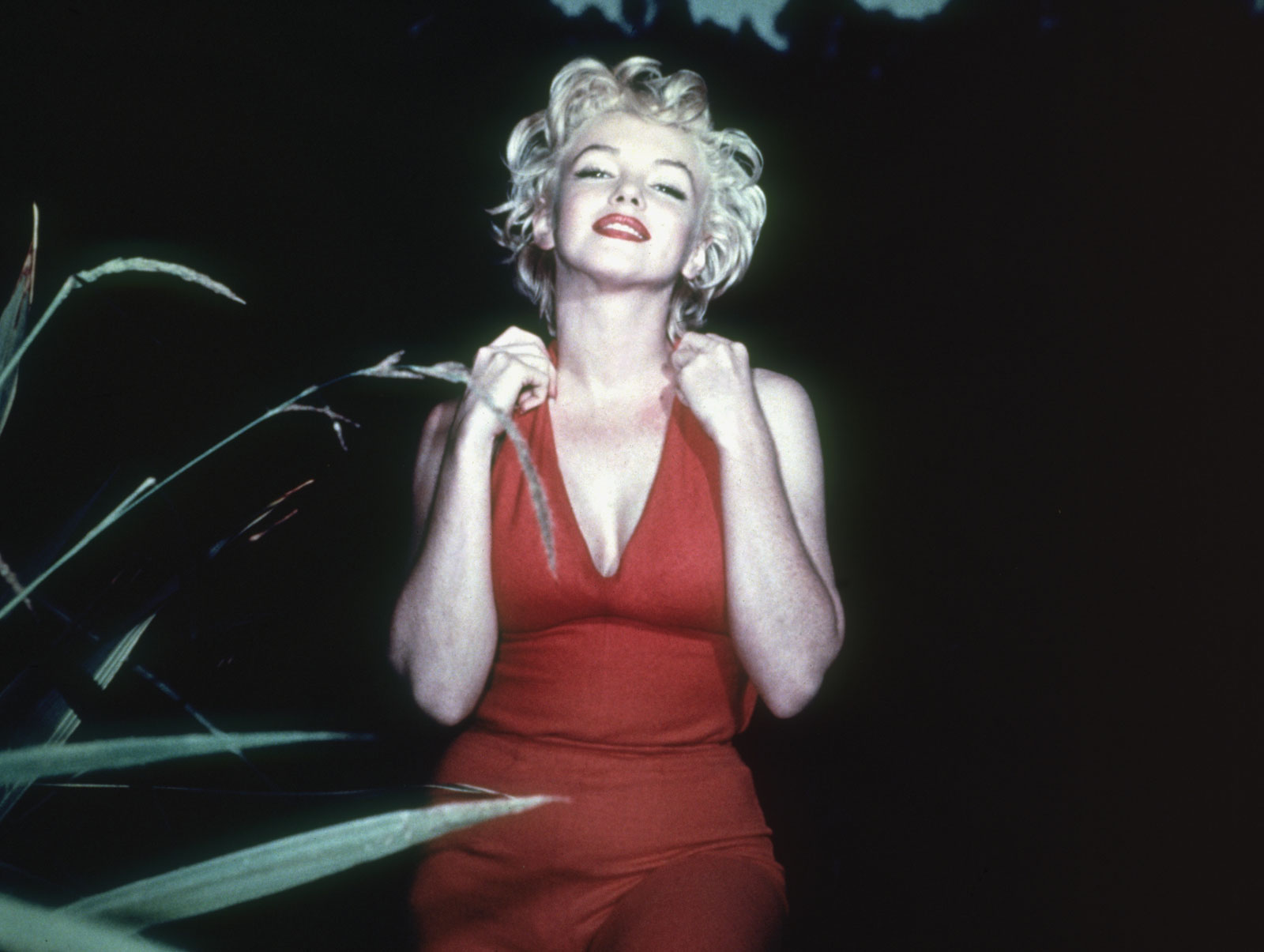
Mary was taken from her family to become an icon, the mother of the Messiah(M).  Marilyn Monroe had enough family to bother her, and enough fame to drive her mad (a big m word).    “M” symbolically kills himself, Manson killed whoever he could reach and when you look at the spurious history of Robert Maxwell, you are brought back to the idea that when people survive the unbearable, they very often become pretty unbearable themselves, unless they decide to become otherwise. 

turning nasty

A woman I was queuing with remarked “In these circumstances, the nice will be very nice and the nasty will be horrid.” She was speaking of the pandemic. Kind of like life.

Last night I watched a movie that one friend recommended highly to me (though he will struggle to explain why – endless repetition of “it’s very good” doesn’t hack it) and another said yes, she’d seen it and loathed it.

I once tried writing about film, but that ended with the cineaste I married, who opined that there was a special door into hell for film critics (probably Jean Luc Godard) and as at that stage I wanted his approval, the idea slid away.  But I watched Three Billboards outside Ebbing, Missouri (wonderful title) and then I looked up the writer and in this case director and he’s Irish.  Right.  God bless the Celts.  Dark, violent, verbal and overwhelmingly moral performed by marvellously physical actors, and when the mother says to her daughter “… and I hope you get raped (whatever the rest of the sentence)”  I gasped.

Be careful what you wish for.     Speaking as somebody with a lifetime’s commitment to rage in its every application, positive and negative, if you are going to follow that path, you have to learn to know, to claim, what you say.  Before you say it.  Because it may come back and bite you.

Recently a friend rang me in a terrible stew.  His sister having been furloughed is now being made redundant and the Government furlough funds are being used for severance payments. And for the first time in his thoughtful careful life, he was so angry he sent the story to a news outlet.   And then panicked that it would harm – not her, he’d take care of her – but other people in the work force with her.  The same story features in this week’s Sunday Times (19.07.20) in a completely different industry.  I am almost relieved.  Now I have to decide whether I should tell him about it, or leave well alone, since he has got his head around what he did and why.

I have never been very good with people who can’t tell you why they did or said that.   Or why this or that meant such a lot to them, and they don’t know why, this event, that form of words and on into why that sound matters, why that feeling matters, its origin, even its symbolism.   Nobody knows everything, I know that – but look at the thing. Why those words, that form of words, that action means so much.   Never mind buying a new chair, buy a new consciousness.   Or better still devote attention to the one you have.

It wasn’t a loss not to be able to afford the mostly horrible clothes in the Vogue I read for years (no more), but I often found editorial material that was very interesting.  It was in Vogue that I first read about visualisation.   If you look it up on a search engine, it has all the current buzz words attached.  Step over all that.  Two of the most agreeable and thoughtful interviewees I ever had were general practitioners who had become involved in the British  Association of Medical Hypnosis. Give them “a” for communication,  they introduced me to the idea of self hypnosis.  I didn’t go into that.  But I do continue to concentrate the full force of the mind’s eye

“The Dark Eye by Albert Gargano”

on positive images,  when I am afraid or upset or sleepless.    I can conjure the dogs or the animals I love, this scenery, that bay, and last night before I went to bed (after Three Billboards) there was a horse in the hall.

My biggest insight into horses came when the colt fell away into shadow and the full grown horse came downstage in Warhorse.   It was great theatre and thus I understood why people worshipped them.  Man’s history would be entirely different without the horse. I couldn’t see the colour of the horse in the hall because it was dark but he was large and warm and I stroked him and drifted off to bed with the illusion that if the hellhounds came after me, I could get away.   The smell of his coat lingered this morning.

wings

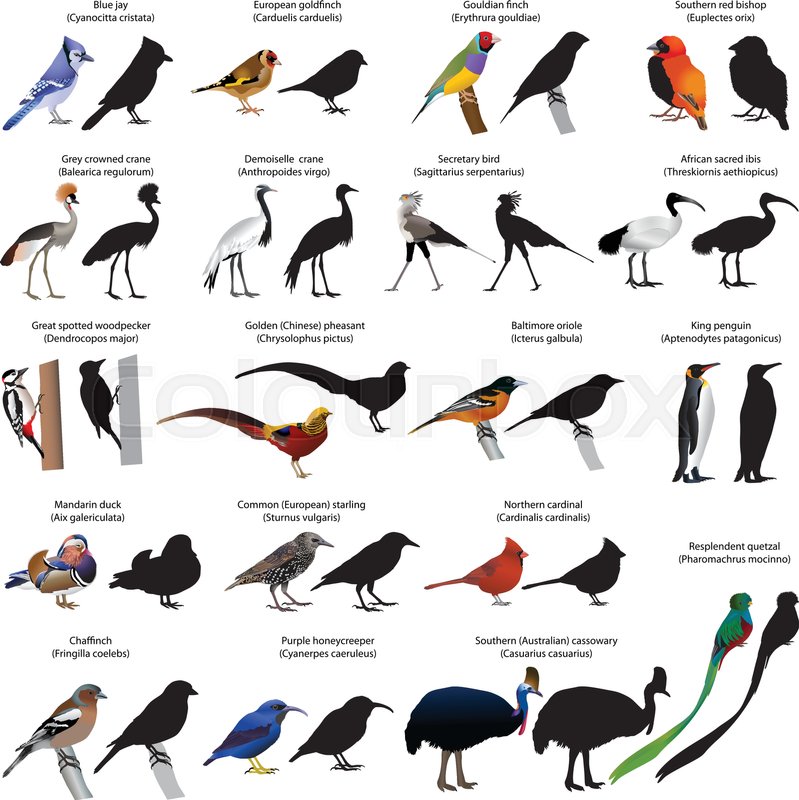
In the family I came from, we ate at the kitchen table.  It was usually covered with a striped seersucker cloth (very popular with my mother, no ironing required) or a gingham checked less popular model which I preferred.  At the end of every meal these cloths were shaken free of any small leavings or crumbs for the birds.  I like birds.  I am not a twitcher.   I don’t want to cut them up to see how they work, though I can see the flying mechanism alone is very special.  I just like them, the feathers, the balancing feet, the small bright eye.   That they have their own logic, nothing to do with a clumping human like me.    I have written elsewhere in annalog about the wren and my sense of wonder about birds.  The old song says “Only God could make a tree” but I think only God on a good day could make a bird.

In a collection of reworked folk stories, Richard Adams (the author of Watership Down) wrote how God decided to make each bird different from the other and the little brown bird who became the nightingale came as the sun was setting,  to a hillside scattered with different bills, colours of plumage spilled, imperfect tail feathers and assorted webs.  The Master of the Universe picked up a fragment of gold leaf and told the little bird sitting on His hand, too shy to come earlier “It may hurt for a moment, going down” and the little bird nodded in perfect trust  – which is how the nightingale got his song.

When NextDraft my online information sheet turned up the Audubon Photography Competition (do look up John Audubon, ornithologist extraordinary, an adventurer’s life to the end) I looked with glee at the pictures which include a hummingbird called Anna.

I don’t know where you are with what people are pleased to call coincidences.  I don’t believe in coincidence.   Everything has a meaning and if you have to wait to understand it, or if you never do, that’s part of The Plan.   Nor do I believe that explanation and acceptance are the same thing.  You can accept without understanding, understand but not accept. I can understand all sorts of things intellectually but reject them, often with appal.   So the idea of sharing a name with a hummingbird was just delightful, a coincidence of course, and I haven’t worked out what it means.  Perhaps just that I increasingly believe that without small pleasures, even very small, living has no more taste than stale bread or flat cola.

Hummingbirds are tiny, their wings bat so fast you sometimes can’t see them move.  They live on nectar, lay two tiny eggs and at their most highly coloured and glistening, they resemble moving jewels.   There are few Anna’s in my life, Sten, Pavlova, Christie and Karenina come easily to mind.  I am just delighted to add a hummingbird.

The overcast grey skies have been less like wings than grubby pot lids, too low for comfort and the day devoid of light. So when a morning came where the sky was back up where it ought to be, sparkling blue and sunny, I got on a bus determined to ride further afield.

There were three or four of us, sitting carefully apart, all masked and a pretty woman in her fifties doing something at a window with what appeared to be a spare mask.  People get obsessive about these things so I didn’t stare but left her to it.  And we drove through the summer morning, in that moment free of bad news and hesitation, till I looked to my left and saw the woman I had noticed was sitting at the opposite end of the bench seat across the back of the bus from me.

We exchanged smiles and she said “Isn’t this lovely – the clear sky and the light ?” I agreed that it was. And I became aware that she was still holding the spare mask.   And as I looked, I saw sitting within a fold, a large beautifully marked bee. “That’s what you were doing at the window !” I exclaimed.    “Well he was stuck” she said.  “I couldn’t leave him.  I’ll take him off the bus and find a nice shrub for him.  “ I watched her and that’s exactly what she did.

two sides to everything (at least)

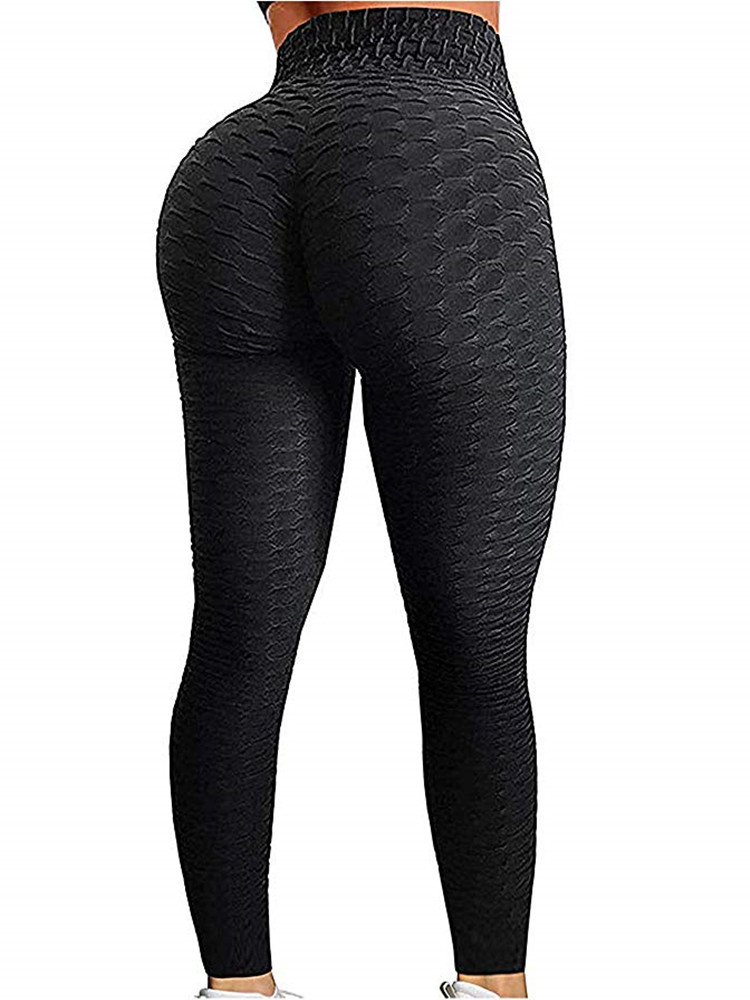
I was growling as I walked up the road yesterday, narrowly avoiding a young woman with each thigh the size of my ribcage who was riding a bike on the pavement.   I no longer expect miracles of bike riders, however much they try to make themselves sound like a higher form of life.  Sometimes those with brains use them and the rest are horrible.  Moreover, I am sick to aesthetic death of sub sports wear and I hate leggings.  Leggings overkill.  Yes, I know they are cheap, fashionable, cheap, revealing, cheap, practical – I can see that their cost effectiveness is what makes them exemplary to some – but they have become a uniform.

I was never big on uniform.  If you are in concerted effort with a number of like minded people (air/sea rescue, various  military, the Conservative Party) I can see you all want to wear the same because you want to recognise each other. But wait – just think about books and covers.  I prefer a modest individualism.

In order for a society to function (this is beginning to sound contentious) we have to agree norms, like wearing clothes at all and not spitting in the street.   We have to agree on ways to be and conduct ourselves which will be generally acceptable.  Then we have to admit that, if you are dressed a certain way, the rest of us expect certain manners and certain behaviours.
But that doesn’t always work out.

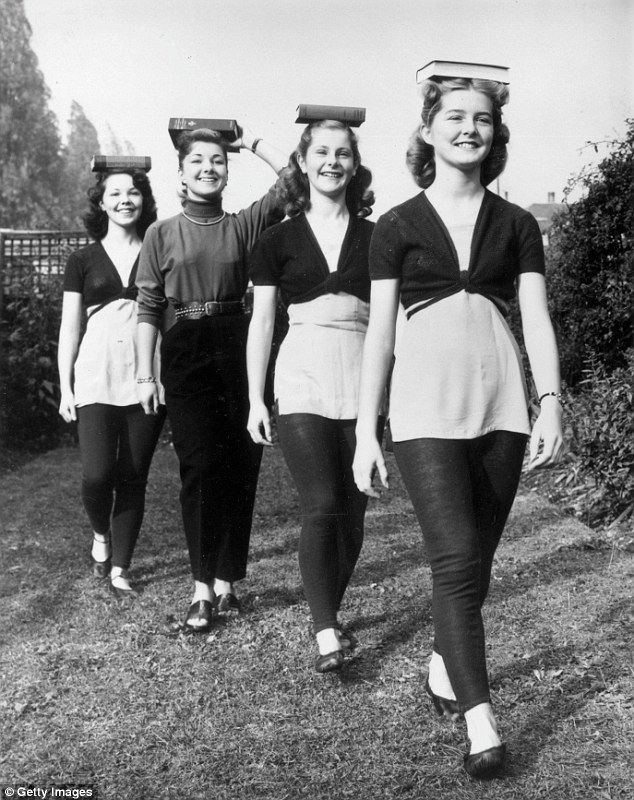
At my secondary school, we had a taste of all sorts of things I should think are long gone – community singing, country dancing, deportment and public speaking.  The latter came to mind when I heard the clichés – if sincere, seriously shopworn – the Education Secretary was using.   “Good God” I thought “if you’d stood up in front of my class 60 years ago, those would have been weeded out.”   Not “silly boy”, just “you can do better than that.”

We were taught a degree of fluency, suggestive of competence and authority.  One of the exercises was to describe making a cup of tea, from filling the kettle to milk and sugar – without hesitating.  No “er -um, y’know what I mean.”  I accept that anybody may falter but when you trip over yourself over and over again in a public presentation, the message is evasion and confusion.

Of course, the risk is that dictators usually sound as if they know exactly what they are doing, even before they get to the haranguing stage.   That’s why dictators are both loved and hated.  Cheap, popular and uniform – Adolf or the Orange Enchilada (USA) in leggings. Isn’t the mind wonderful ?  Does it balk at the slogans ?  I hope so.
Yesterday among the reruns and repeats, I found two old films I had never caught up with – one about a journey which always appeals to me and the other the story of a melodramatic love affair – and you can see me putting my head on one side  – “oh, really ?”   In the event the journey was so slow as to be unwatchable and the tortured love affair – a highly digestible mixture of twinkling stars and Hollywood back story with great camera, editing and clothes – won.    Then I realised thinking about it that, were it necessary, I could plead wonders for the journey and dismiss the love affair as dated twaddle.   I wouldn’t mean it but I could do it. Very little is absolute.   And yet …


I am reading a book called Some Kids I Taught and What They Taught Me.  Invest, it’s worth it.  Unsettling us in their numbers and their noise -make up your own list, you know what you like and don’t like about kids. Through fashions in psychology, mass marketing and manipulation, they have become almost a nation apart. Read something like this in which the mass is less the focus than the individuals and you see them as people. They may not be what you want or approve of, but you can at least see (through Kate Clanchy’s talented writing) the other side.  At least one other side.  And it lifts the heart. 

God and Christian Dior

Only twice in my life have I managed to feel like a Victorian lady looks, corseted, frail and in need of shelter from the world.  Once was after I hit a boyfriend  a freak blow, square on the chin he kept offering me and as he fell, he hit his head on the living room wall, the mirror and a table underneath and came to with me crying, a la VL, on his chest because I thought I had killed him.  I hadn’t.   And it was definitely muslin skirts and lavender soaked cloths in a darkened room in that couple of very hot days.  I wasn’t pretending to be prostrate, I was prostrate.   A spring lamb in dry heat, humidity saps my energy and makes me stupid.   I feel like my hair looks.  I hide.

I have long acknowledged that I prefer the second half of the year.  I love everything about autumn

Autumn. Fall. Autumnal Park. Autumn Trees and Leaves

– falling leaves and their colours, the smells which linger in the cooler air, the dusk that settles over the end of the day, the cold or the wet or the wind that begins it.   And I like winter.   I know what to wear, what to put on my face, what to eat, how to be.

The seasons are disturbed, the weather patterns fractionalised which compromises the hard work of farmers and food providers.  And this year there is a strange sort of precursor of autumn where the flowers are blooming and the leaves are green, all utterly lovely, but there is a continual trickling fall of those leaves dried early, knocked off by sudden rain or assertive winds.

And winter knocks hell out of my nails.

It is a very long time ago that I briefly (oh vanity) had false nails put on.  They looked lovely but taking them off was terrible.  Every nail bed bled and I have tried ever since to heal them.  This led first to the subculture of nail technicians, directly comparable to the study of witchcraft in remote islands.  I didn’t visit these people compulsively but I did it over a very long time.  And I tried remedy after remedy.  I ate so much jelly I wobbled.  But my nails remained the opposite of the mane where Samson rules, strong healthy heavy hair and nails like tissue paper.

There was a strange period some years ago (remaining in some quarters) where the nails of the feet and particularly the hands became a sort of sexual commentary all of their own.  You’d see a woman with torrents of badly dyed hair, unflatteringly clothed and shod, with immaculate nails and feet.  I was clean and decent, covered my feet and used a lot of handcream.

Over time, I found two manicurists who could help me maintain my nails but never anybody who could help me with their health.  I probably didn’t know where to look without spending a great deal of money and I was very much once bitten, twice shy.

Finding a reinforcing nail polish type thing, I used it till it was suddenly no more.  That was the last time I gave L’Oreal credit for anything.  Why weren’t my nails worth it ?    My rubric had long been that I could spend money on nail preparations but I must use them up and it was in this frame of mind that I remembered Christian Dior’s Crème Abricot.   Dior had just had an exhibition at the Victoria and Albert Museum and I had just read his memoir which conceals at least as much as it reveals.   And so I went rather shyly to an appropriate counter where the deep red goo in its monogrammed pot was revealed to me, first made in 1923.  Nothing lasts that long in that industry unless it works.   I also found a nail varnish type preparation in the same range.

I did not redesign the garden through three months of lockdown, or Zoom or exercise anew. I did not do an extra mural degree or learn Mandarin.  I read books, watched movies and  used Crème Abricot. The heat helped and the good God gave me my hands back, for which I am eternally grateful.

words fail me

I was brought up to believe that if you liked someone, you would find a way to relate, to talk, past any social difference or difficulty, because you liked him or her. Out of that communication everything else would follow, easily or otherwise.   By the same token, I was brought up to believe that if you had an immediate animal doubt, respect it, act on it.  Move away, stay guarded.  In adulthood, I often learned to apply the two at the same time ie move forward verbally and keep your ears pricked.

I remember my mother trying to get me to go to parties (I rarely enjoyed a party) explaining that it wasn’t about being a wet blanket.  It was about what you felt, really felt, not spoilt brat pout. “And if you feel something’s wrong” she went on, “get them to ring me.  I’ll come and get you.  Best polite excuse is food poisoning.  Nobody wants proof of that!   But I want you to at least try and see …”   It was a long time before I realised the size of the freedoms and responsibilities with which my parents had imbued me.

When I was about 8, the older daughter of the family at the end of the road arrived late one evening, and asked to speak to my mother.  My father went to the house, Pat talked to my mother in the front room.  Her father lashed out when he was in drink, this time it was bad.  Her mother was hysterical, her younger sister frozen in fear.   Between them my parents helped to sort it out.  When I asked the next morning if Pat was all right, my mother said quietly that she intended to marry her boyfriend and get out of “all that” (she gestured).  “What about Valerie?” I asked, who was though older, nearer to my age.  “You choose when you can” said my mother.

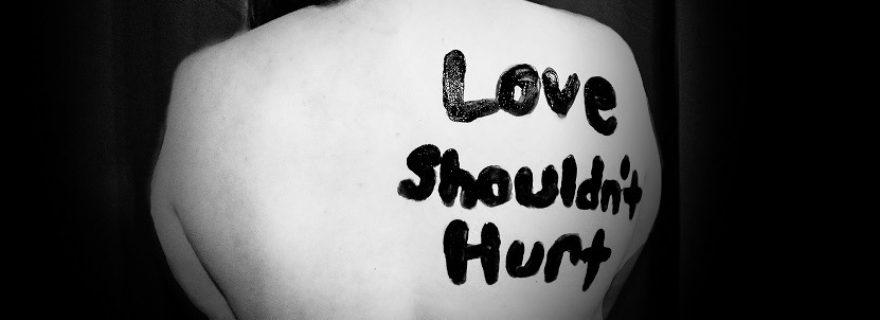
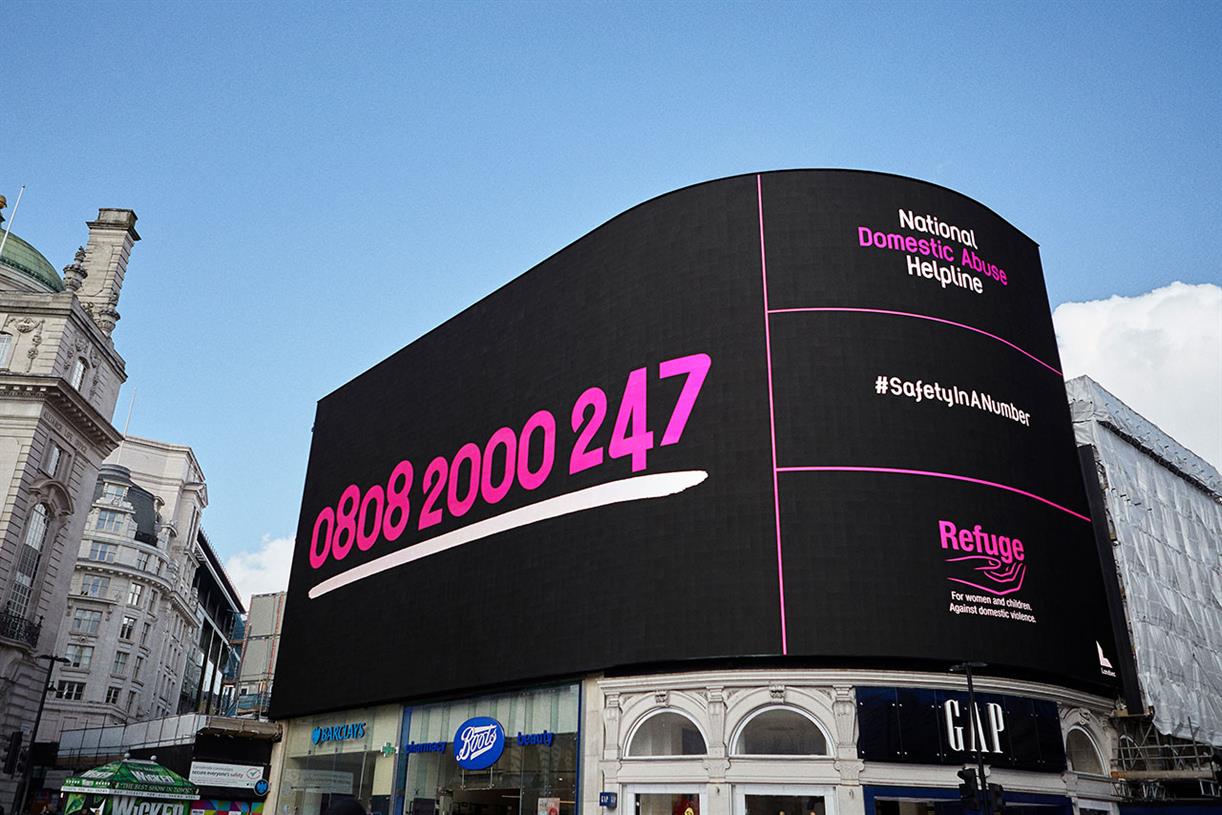
Last week a woman I know a bit and like a lot asked if she could have a word with me?  And when I said yes, she drew me aside.  “What would you do if you knew someone was being knocked about by their (sic) partner?”   I said ring the police.  She said “My husband would kill me if he knew I got involved.”  I said you don’t have to give your name: you say you want to report domestic violence, you will be asked for the name and address of the person at risk.  Her eyes filled.  Or, I went on, you can get in touch with Refuge (founded as Women’s Aid).  “Where will I find them?”   Online.

This morning a neighbouring flowerseller said in the course of pandemic pleasantries “It’s all very well, this lockdown, but it’s not easy to be at home with somebody, all day every day.”  Figures for domestic violence are up over 60 per cent.  When times get hard, far too many take it out of the next rung down in the pecking order.

So I rang the only person I know with a brain and a radio programme, and told him about it.  And Lisa (not her name) is ready to talk to the police and fight back.  Imagine all that over the head of a small child and with the long hours of a who knows for how long job.

“doggy paddle – keeping going “

Could the violence have been anticipated?  Was there something, some sign you should have seen but missed because you were trying so hard to get things right?  I don’t know.  You don’t see what you don’t want to see, that I do know.    And then when you have acknowledged something is terribly wrong, what do you do and where do you go?   I know a woman who waited till her violent husband went away on business, packed up herself and three kids and came back to England from abroad, with nothing, to start all over again. Her hair fell out and never regrew. How I respect her.

Because my life’s work has been communication, to find the words, to help other people find them and use them.  Using the right words is less emotionally expensive or physically painful than a blow. And violence never stops with one blow.

old wood

In the dear dead days when media still expanded from time to time and that didn’t have to mean unreliable rubbish, you could build items into the early morning news programmes around other people’s findings, in the form of surveys and quizzes.  If it came from a big enough institute of learning, the numbers involved would make the findings tenable but even if the numbers were smaller, and the whole thing was probably based on a straw poll in the office, you could still make a “talker” out of it, ethical light relief.   I’d be called at five a.m. because I was up the road from one such station and had learned long ago to rationalise clothes and presentation into 15 minutes max., get in the car and somebody will tell you what you are talking about – quite different from what to say.

There is a current study out of Princeton (American Ivy League, so far unTrumped) which says that gardening is good for you. It mitigates (I quote) against isolation and promotes EWB (emotional well being).  YKWIM  (you know what I mean.)   But nothing beats loppers.

In the longest period of psychotherapy (5 years plus with the wonderful Heather) I remember recounting a dream.  I don’t very often remember my dreams but this was very clear.  I was carefully removing from the apple tree in the back garden of the marital home every dry leaf and faltering twig, obviously to promote its health, and I remember saying that I didn’t know what the dream meant.  My therapist’s eyes twinkled.  “Ever heard of dead wood?”

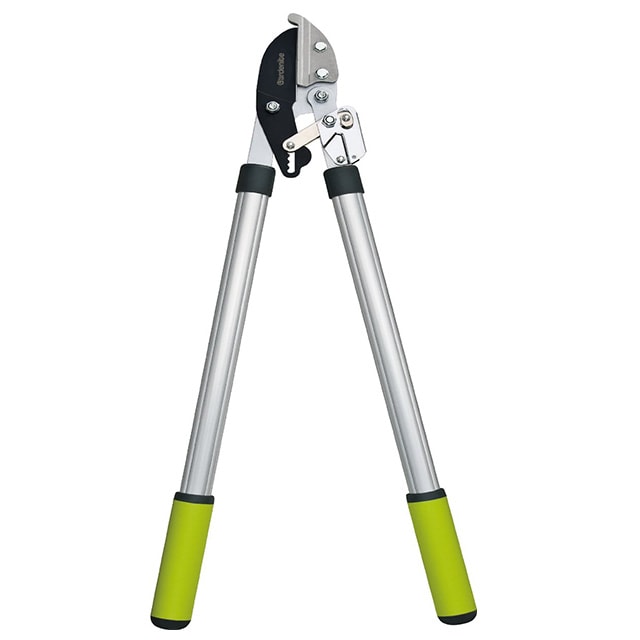
I thought of this when I did the careful preliminary strikes on the winter broom and the laurel (annalog “don’t get around much”).   The laurel shook its head, took a deep breath and normal service was resumed.  The broom continued to look peeky.  “I need loppers” I told AJ on one of his periodic visits.  “You don’t want to carry those, they’re heavy.  Get them on line” he suggested.  I hesitated.    I don’t mind ordering things online, it’s all the other stuff that incurs. ( I have never forgotten 181 explicitly sexual emails from Russia). “I’ll get them” he said and he did.

They aren’t heavy, they are light, well balanced and if I (current holder of the Golden Ham Fist) can use them, anybody can. I cut away the over growth with grace and power.   And there isn’t much I can do with grace and power nowadays.  The broom is a mass of new growth and considering its options.

I was reminded of my loppers last night when I set out to watch a film I expected to like and didn’t , followed by another I expected nothing of and was rather pleased with (Films 1 and 2).   Film 1 was losing me to a complicated scenario when Wal called.  It’s much easier to talk frittata with Wal than to sort out celluloid time zones and social insensitivity.   So I gave up and waited with every kind of misgiving except the actors, for Film 2 about late life change.    Generally speaking these films leave me cold.  They are either romanticized muck and brass or they are all Belgravia botox.  And though I could pull this product apart and toss the remnants, there were some stand on your chair and cheer verities.

Things didn’t move easily, there wasn’t endless money, people had to contend with the ugly face of Alzheimers, terminal illness and bereavement in life, as we do.  It was too long but the length was used to make you see how hard it is to do something else.  There was some good music, some happy times and some smart asides, just enough courage and hope to avoid a hearts and flowers ending, fiction used to enhance fact. More and more I think of movies, past or current, in terms of pick and mix.  You look for the bits you respond to and forget the rest.   And sometimes, in trying to get your head round enormous changes (the pandemic) you wind up absurdly happy with something small (the loppers).

Loppers by Presch Tools gmbh

Film 1: Goodbye Christopher Robin

Film 2: Finding Your Feet

And a toast: old wine to drink, old friends to meet, old wood to burn.

remember

13 years older than me, my sister was a child of WWII and my mother took her to the country where the bombing was less.  They moved into rooms in a country vicarage a long way away for the time (hardly any petrol for cars, few trains) while my father stayed at the local aerodrome with the Air Training Corps.  My mother became a magistrate’s clerk in a nearby town, and she told me as a little  girl, about getting up in the morning and pulling trousers and a coat over her pyjamas, to make tea and get my sister and herself ready for the day.  I can’t explain to you why this image of my pretty mother (I’d seen photographs) pulling a tweed coat and corduroys over her nightwear stuck with me but it did.  I smile as I remember it, I bet she put on perfume too.

There was a robin in the garden one day last week and I sped from the kitchen to the other bigger window, picking up my glasses, so I could watch without disturbing him.

When he flew away, I went and put on newspaper collection clothes – pants, trousers, socks and shoes, sweater  – no bra ! – and a soft and voluminous jacket that conceals all.  If I am knocked down by an errant vehicle, everyone will know.   I put my far too long, Noh play lion, hair up and taking my purse (check for keys) and the bag that stands ready, I walk the five minutes up to the main road where two white vans pass.  From the window of the second comes a young man’s voice shouting “I like your hair !”   I gape and raise my arm.  And from the window of the van up the road, I see a young man’s dark arm waving back.

Irving Penn (1917 – 2009)

When people talk (and they don’t much, it’s a journalistic thing) about the pandemic influencing us for the better, they are not talking about mass movements.   We won’t suddenly all become good neighbours or better friends.  But there might just be a renewed interest in the small acknowledgements, politenesses and behavioural generosities that make the day brighter.

There are a group of people who are working harder from home than they ever worked in the office and may I say that 12 hours a day on the screen is tough on the eyes and the back ?  Yes I know, theoretically you should stand up, stretch and move every fifteen or twenty minutes but you don’t, you forget, the next thing happens and you go on.

And then there are all the people whose work has just closed down and heaven knows where they go from here.  One minute, there were three young women in publishing living next door to me, offering their mobile numbers in case I should need them.   But they were gone overnight – no income, no rental.

Ian Matyssik

And alongside the small courtesies which take no time and cost nothing, there might be a greater appreciation in the subtle gradations of meet and greet.   We don’t all become friends.  Friendship is  a very high order of social and emotional connection.   I can’t stand that phrase “my new best friend” unless it’s said in jest.  Nor can I remember the last time I heard someone talk about an acquaintance.  It risks sounding chilly and formal.  We must all be friends – thank you, I prefer to choose mine rather than have them foisted on me.

But there are two women, slightly older than me, whom I met because I said “Good morning.”   Obviously I look as if my neck is clean (and my bra on) so they would risk returning the greeting and we are free with each other for all sorts of subtle personal reasons, because we  “recognise” each other but also because these are hard times.  This is not The Great Mortality (see John Kelly’s book on the Black Death) nor the Second World War.  But it is quite bad enough.  This is the Third World War and it will be fought every way except militarily – economically, socially, medically, psychologically – not made any easier to bear by the political aggrandisement of several men who are a disgrace to the genus.